Marienberg Community Garden, Backed by Generous City of Tallinn Funding, Tries Something Bold!
After a successful first year, the Marienberg community garden is picking up even more momentum this season. The project has received the maximum amount of support from the City of Tallinn, namely €3,000. The garden, run by Metro Capital, is expanding this season and will focus on sustainability and fostering a sense of community. 
The Garden Is Growing and Becoming More Permanent
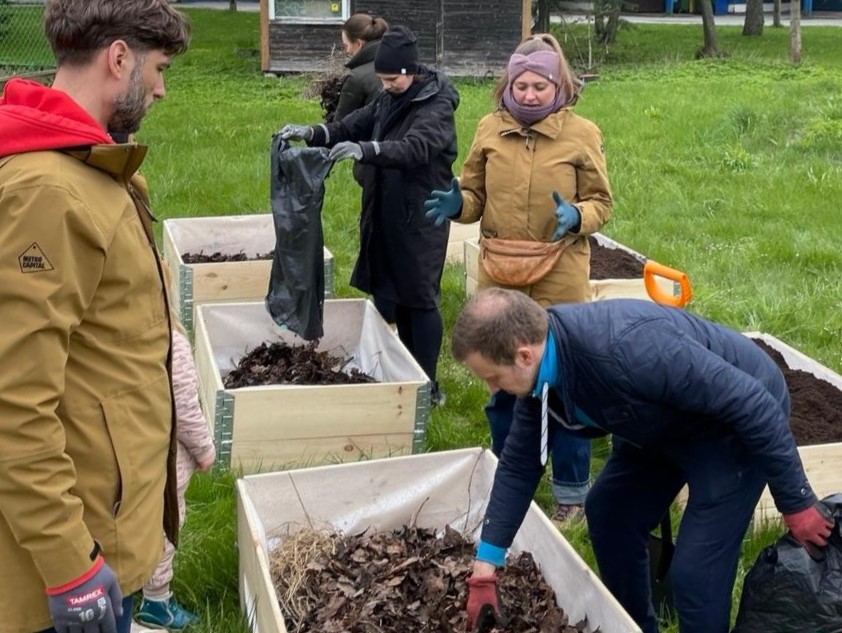
The plan now is to take the community garden to the next level. ‘This year we want to take a step forward and make the garden more intentional and long-term,’ said Pärn. In practical terms, this includes adding around ten new garden beds and planting additional berry and raspberry bushes. There are also plans to improve soil quality by using more mulch. In addition, there are also plans to introduce shared beds for growing plants that everyone can use. According to Pärn, greater community involvement is also very important. ‘The aim is to create a clearer structure for joint activities and involve the community more in organising things. Last year, I did everything myself and it was quite a heavy workload,’ she admitted. This year, Pärn is supported by Sirje Saks, an active community gardener from last season, whose interest in and commitment to gardening has only grown over the past year. ‘I was really pleased to hear that our project was officially approved. It makes me all the more motivated to continue,’ said Saks.
Simplicity and Human Connection at the Heart of Success
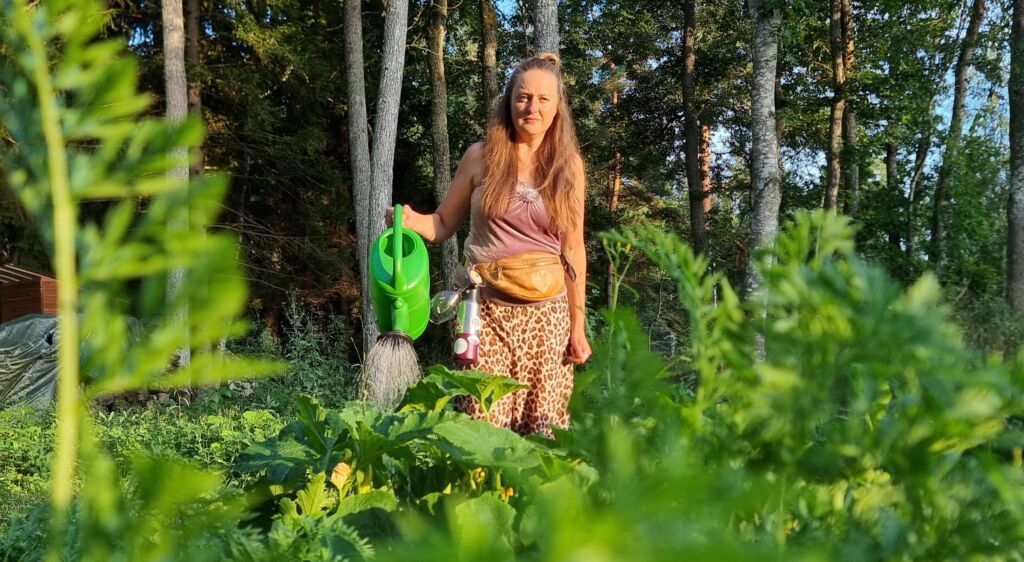
Interest in the community garden remains high: around 90% of last year’s participants want to continue. ‘The greatest value was its simplicity and accessibility. Many people in the area do not have a garden or even a balcony where they can grow something. The community garden offers a chance to have that experience without complicated preparation,’ said Pärn. According to Saks, the community garden is something she has become increasingly emotionally invested in over the past year and a strong spirit of collaboration has developed within the community. ‘Together with Herdis, we also talked through the foundations of the new project. We have been enthusiastically sharing our activities with our friends and in our apartment building community as well,’ she added. 
More Space and Practical Workshops
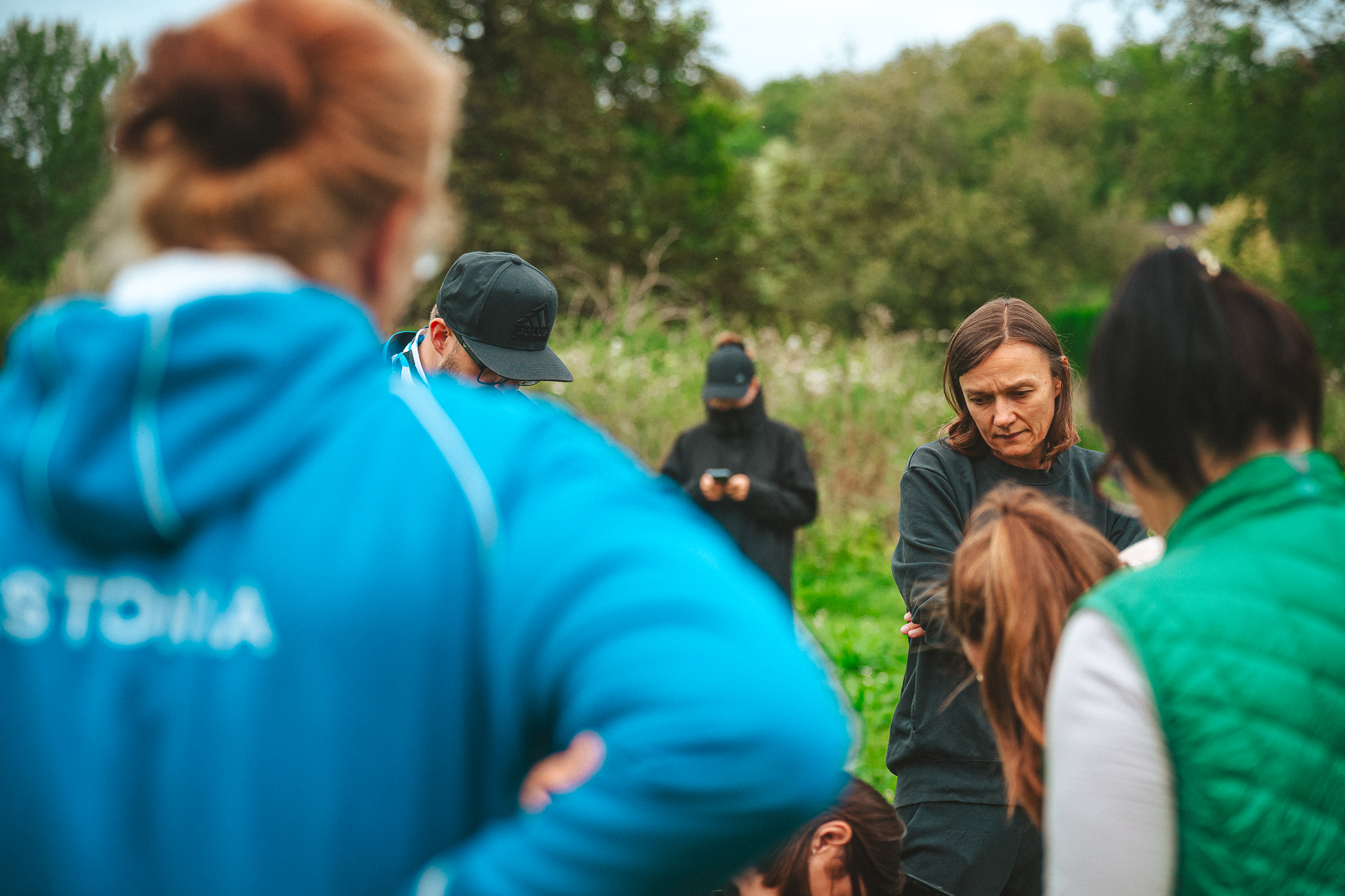
Last year, the garden had 15 raised beds and this year around ten more will be added, with space for further expansion if interest continues to grow. The aim is to offer opportunities both for new participants and for those who took part last year,’ said Pärn. Practical gardening workshops also play an important role, covering topics such as how to increase yields from a garden bed, control plant pests and maintain plant health. ‘Participants are also interested in how to plan their garden beds for each season. As is well known, the same crops should not be grown in the same place year after year – plants should be rotated,’ added Saks.
Investments Create Sustainability
According to Pärn, investments play a key role in the development of the community garden. ‘Investments are crucial because they determine whether the garden is a temporary experiment or a functional and sustainable environment.’ The main cost areas, she says, include raised beds, soil and mulch, perennial plants, tools and a simple seating area. ‘These create the foundation on which a community can actually emerge and grow. A well-functioning physical environment also supports the social aspect – people are more willing to contribute to a place that is well cared for and thoughtfully designed.’
Part of a larger Development
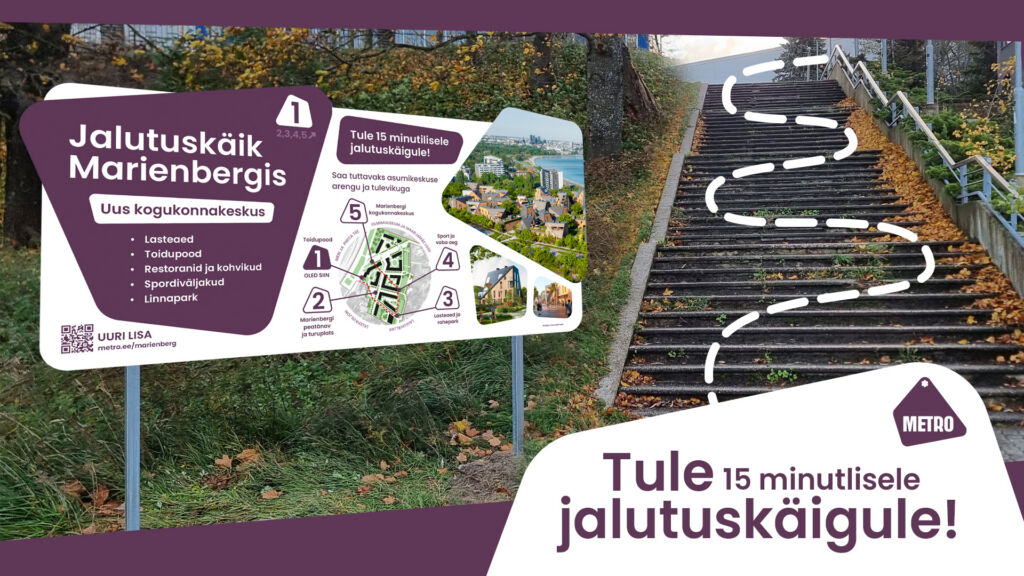
According to Pärn, the most important aspect is that the Marienberg community garden is not a standalone project, but part of a broader urban development. ‘This is not a standalone project, but the first step towards a greener and more community-oriented urban space.’ The garden helps test how people use the area and what their actual needs are. Additional value is created by the adjacent beach volleyball court, which has become a natural meeting point. ‘Together with the garden, this area is gradually coming to life,’ Saks is confident. Gardening has also brought tangible results: there is real joy in being able to eat produce straight from the garden, as well as preserve it for the winter. ‘We are expanding our growing area so that all our winter preserves come from our own garden. For example, for pickled cucumbers we only need to add blackcurrants. Cucumbers, dill and garlic go straight into the beds – we already have experience with this from last year,’ said Saks. According to Saks, the community aspect is also important. ‘It was great to meet representatives of other communities during the winter and receive a lot of useful information from them. We got to know some really lovely people, including our own community members.’ Saks sums up the community garden activities with the idea that it is simply enjoyable to do things together, adding that the community garden is more than just gardening: ‘We will continue what we have started and I sincerely hope that as the city grows, so do the gardens.’