Area

Evolution of the Marienberg Area
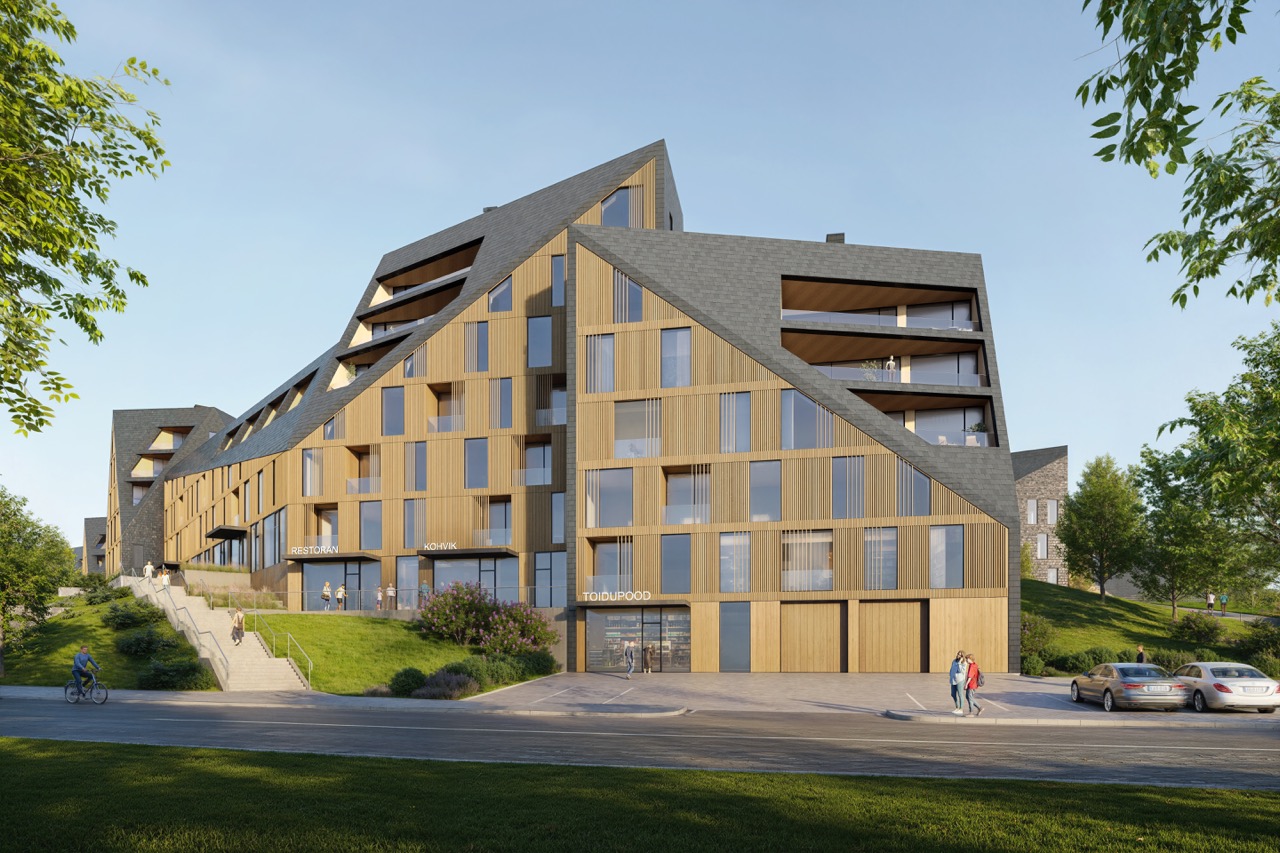
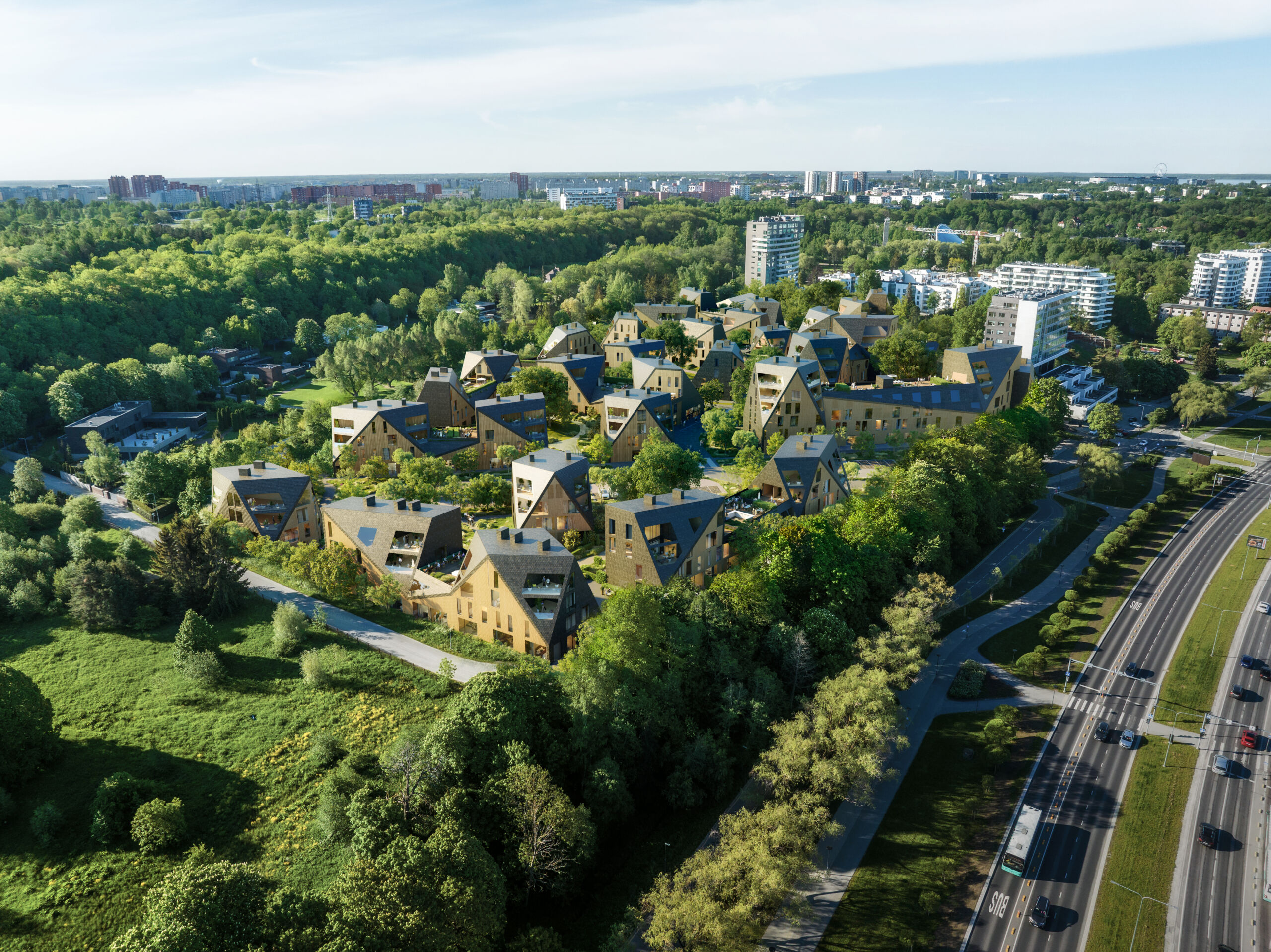
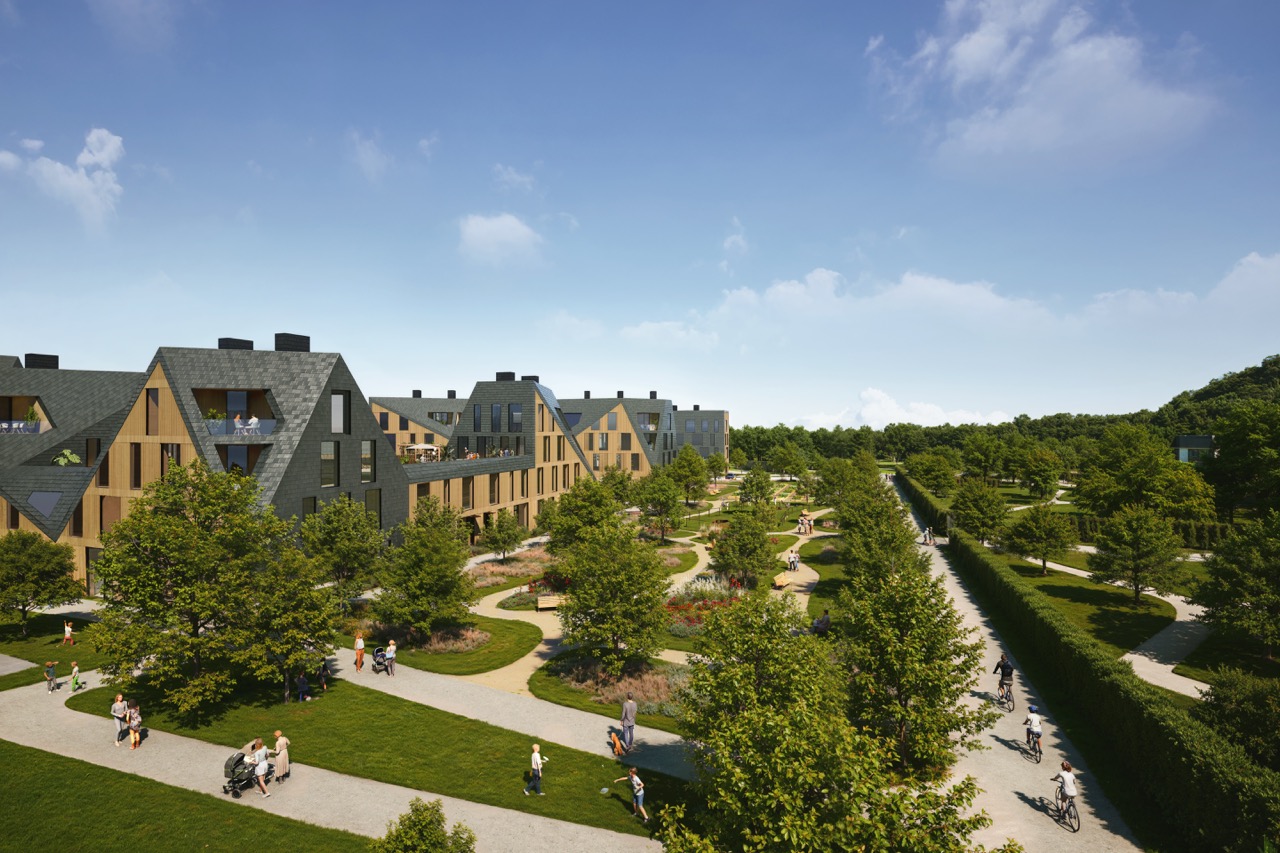
The area between Pirita Road and the Song Festival Grounds has been in a state of transition for decades. It has been home to the former Maarjamäe Manor, later Sõpruse Park in the 1970s, and more recently the fair centre and exhibition halls. Over time, the area has been searching for its identity. The fair centre is now closing its doors, as the buildings have become outdated and the complex is no longer an attractive venue for international trade fairs. Most of the buildings stand empty and the site has not been put to use for the city. Marienberg will bring an end to this long-standing state of limbo. The new residential quarter will give the area a clear structure and identity. The cultural heritage sites – Maarjamäe Palace and Memorial, with the Song Festival Grounds beyond – will be complemented by a high-quality living environment. For the first time, a green promenade will connect the paths along the limestone cliff of the Song Festival Grounds with the coastal path, filling a long-standing gap. The infrastructure will be completely renewed, with new roads, improved traffic management and modern utility networks. The area that has long been a blank spot on the map of Tallinn is being transformed into a vibrant urban environment.
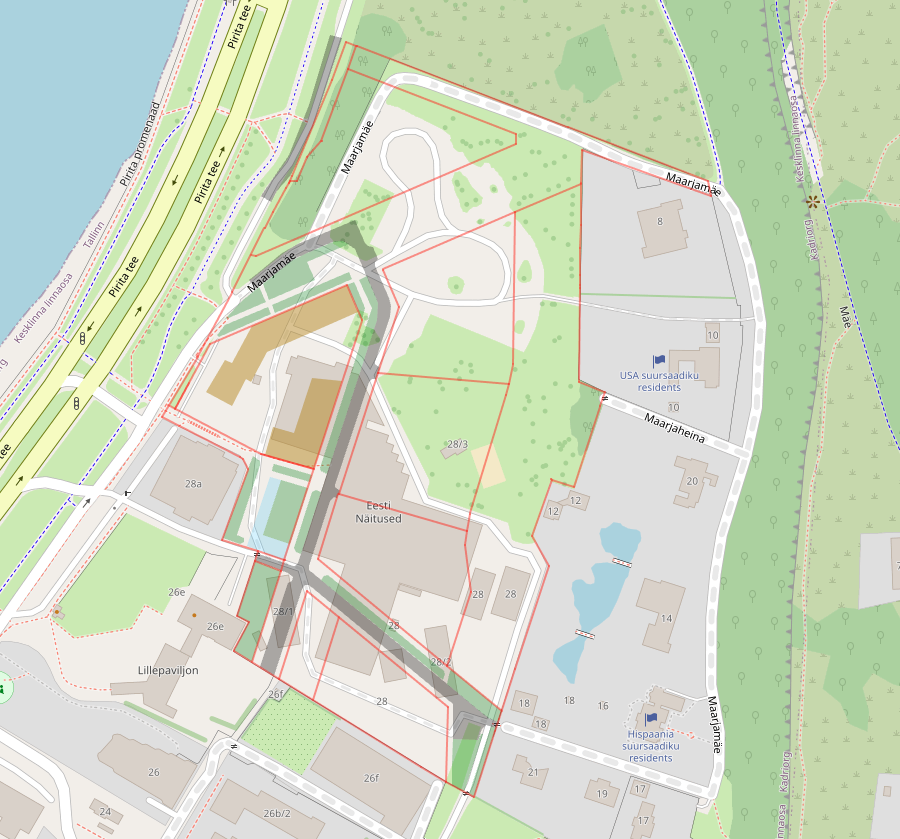
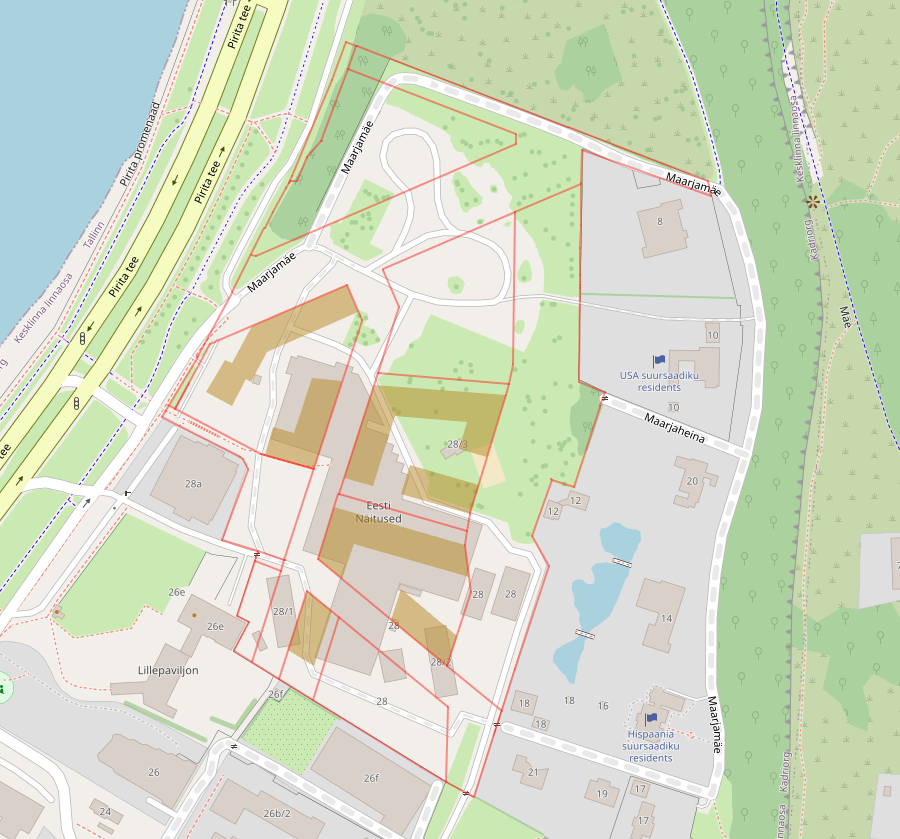
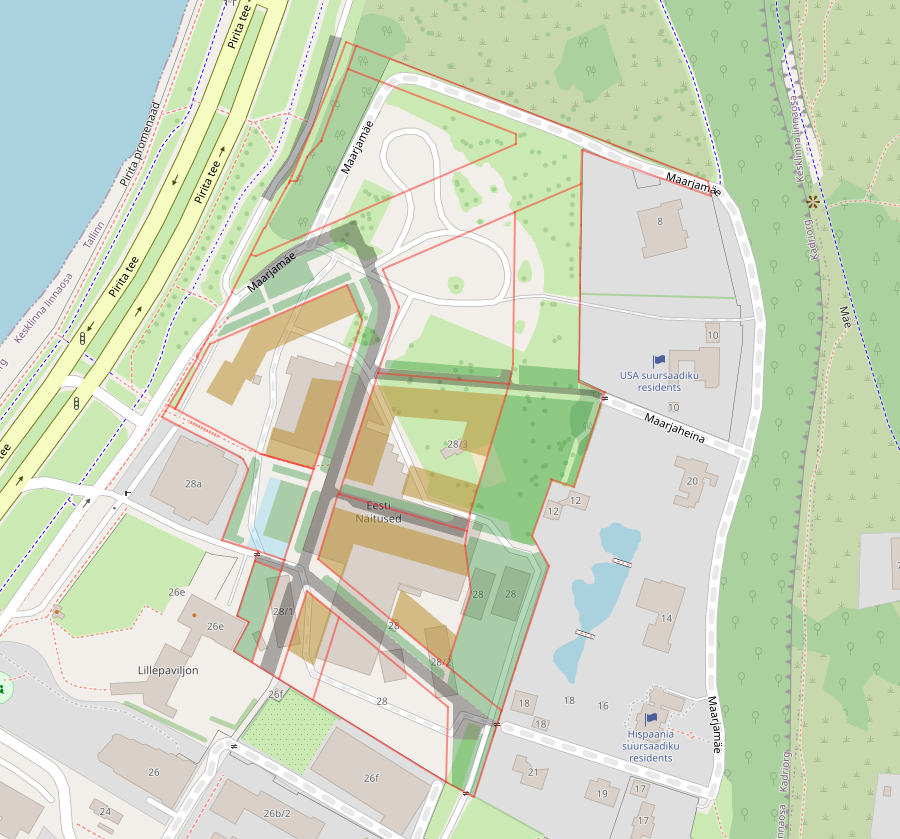
Interactive Map of the Spatial Plan of the Area
Take a look at the planned buildings, green spaces and (non-motorised) paths in Marienberg, as well as the new plan for the Song Festival Grounds area. The map is hosted on OpenStreetMap, where you can toggle different map layers on and off.
Improved Quality of Life for Current and Future Residents
Lasteaed
Loodav 6 rühmaga lasteaed vähendab pendelrännet ja Pirita tee liikluskoormust
Toidupood
Toome toidupoe lähemale kõgile ümberkaudsetele
Muuseumist muuseumi
Kumust Maarjamäe muuseumi saab mõnusa jalutuskäiguga läbi Marienbergi

Nutikas liikumine
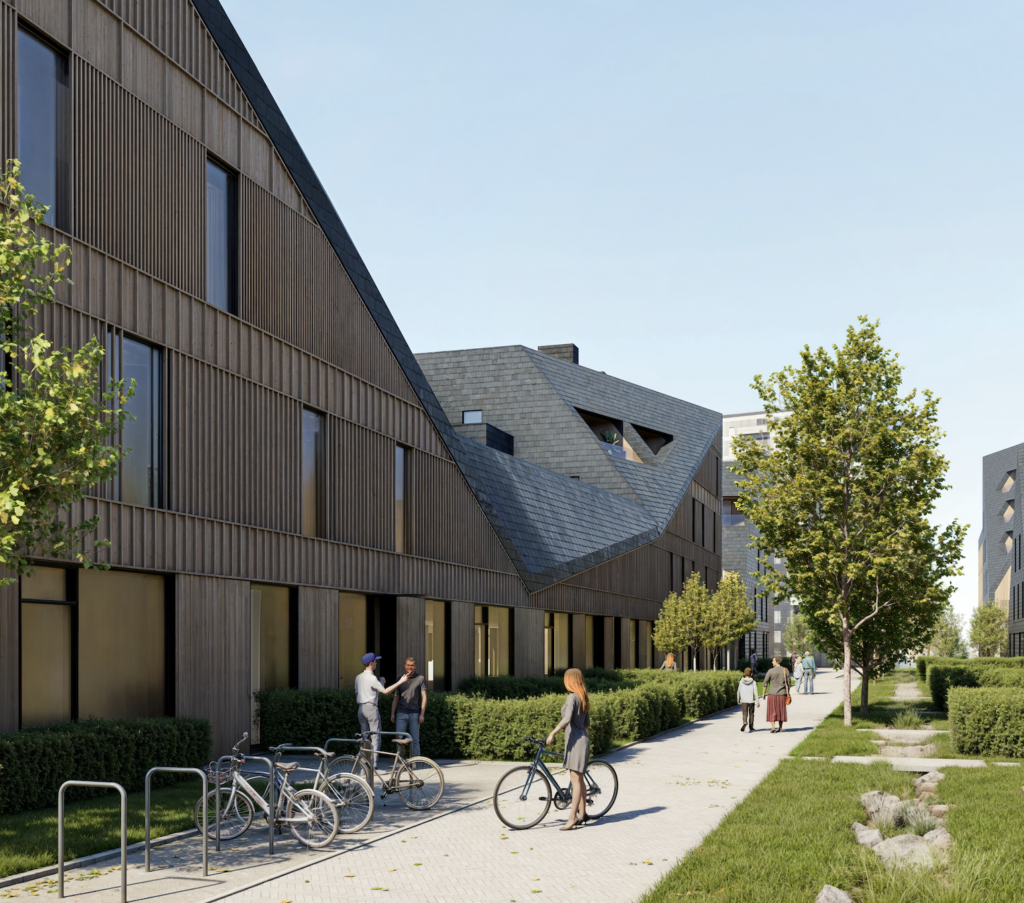
900 rattakohta ja autoliiklus suunatud maa alla.
Ühendav
Marienberg täidab tühimiku, mis jääb Kadrioru ja Pirita rannapromenaadi vahele.
Avatud roheline linnaruum
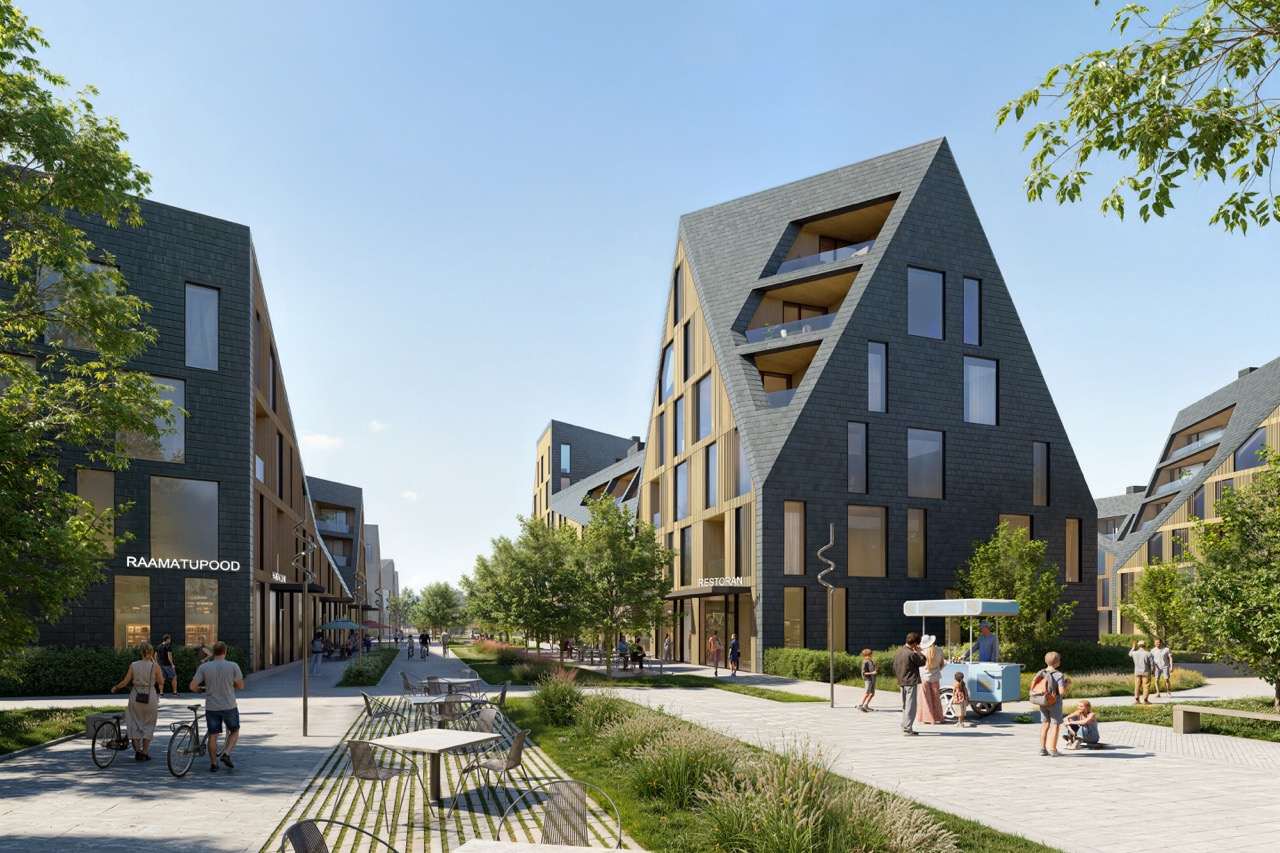
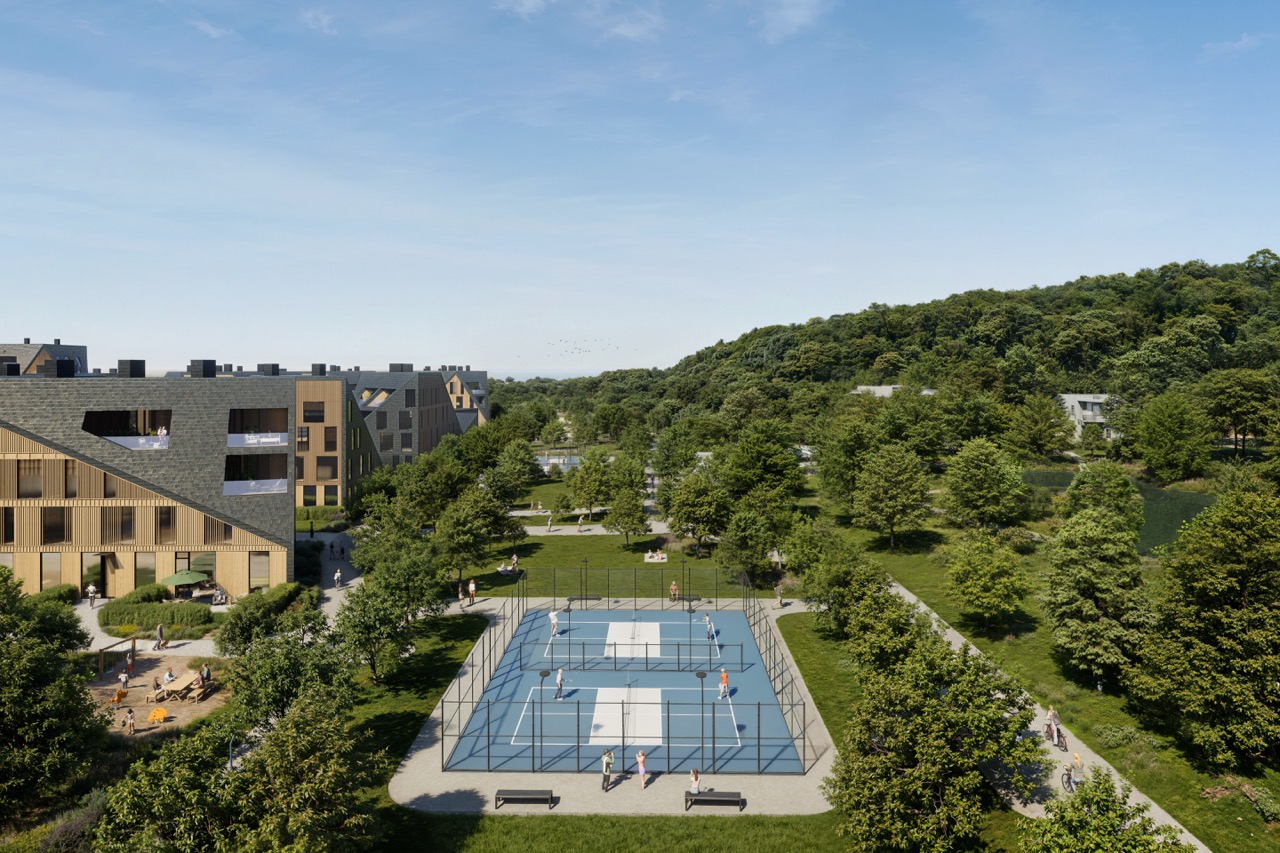
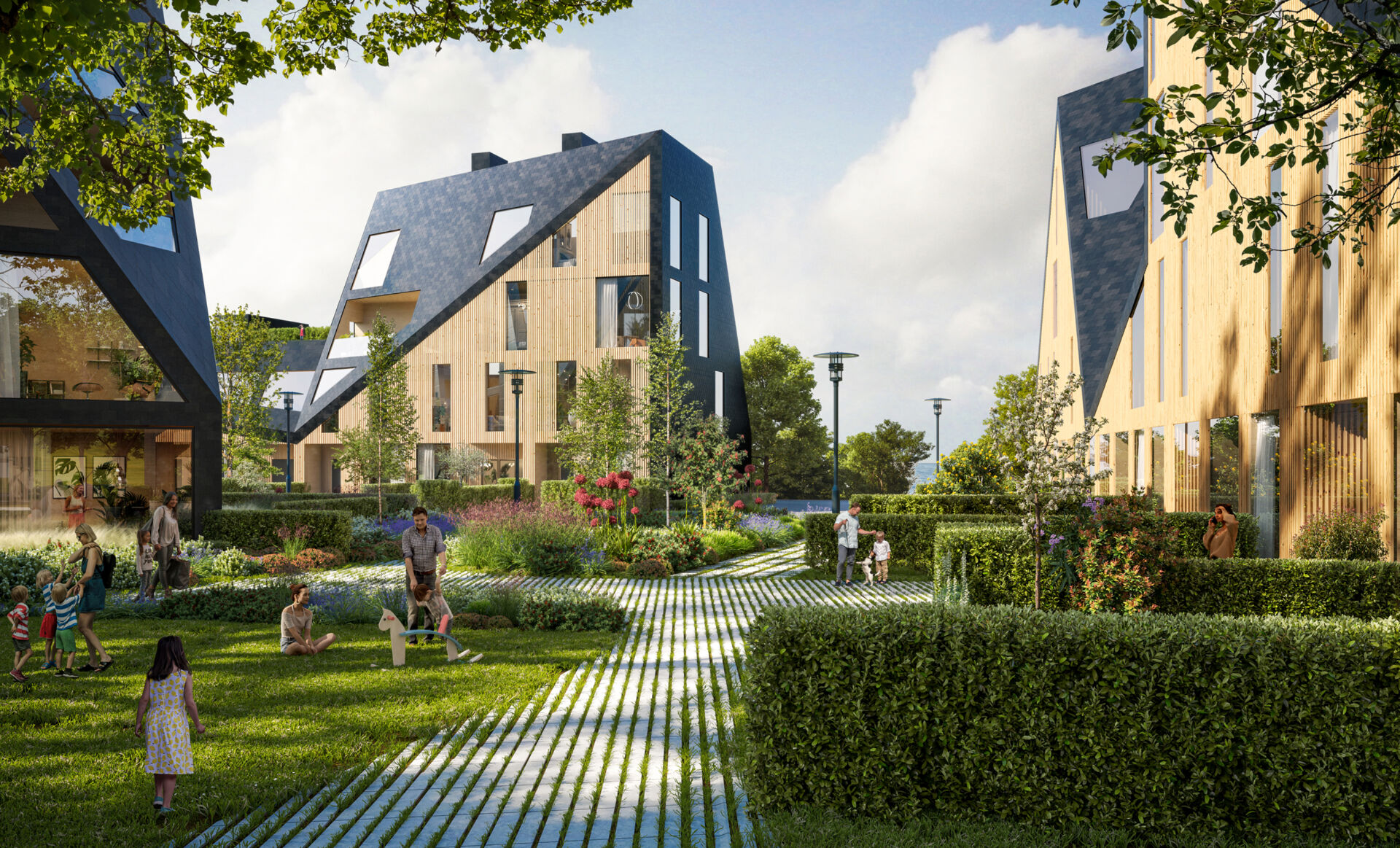
Kõigile avatud pargid, mänguväljakud, kergliiklusteed ja rohealad
Tasakaal keskkonnaga
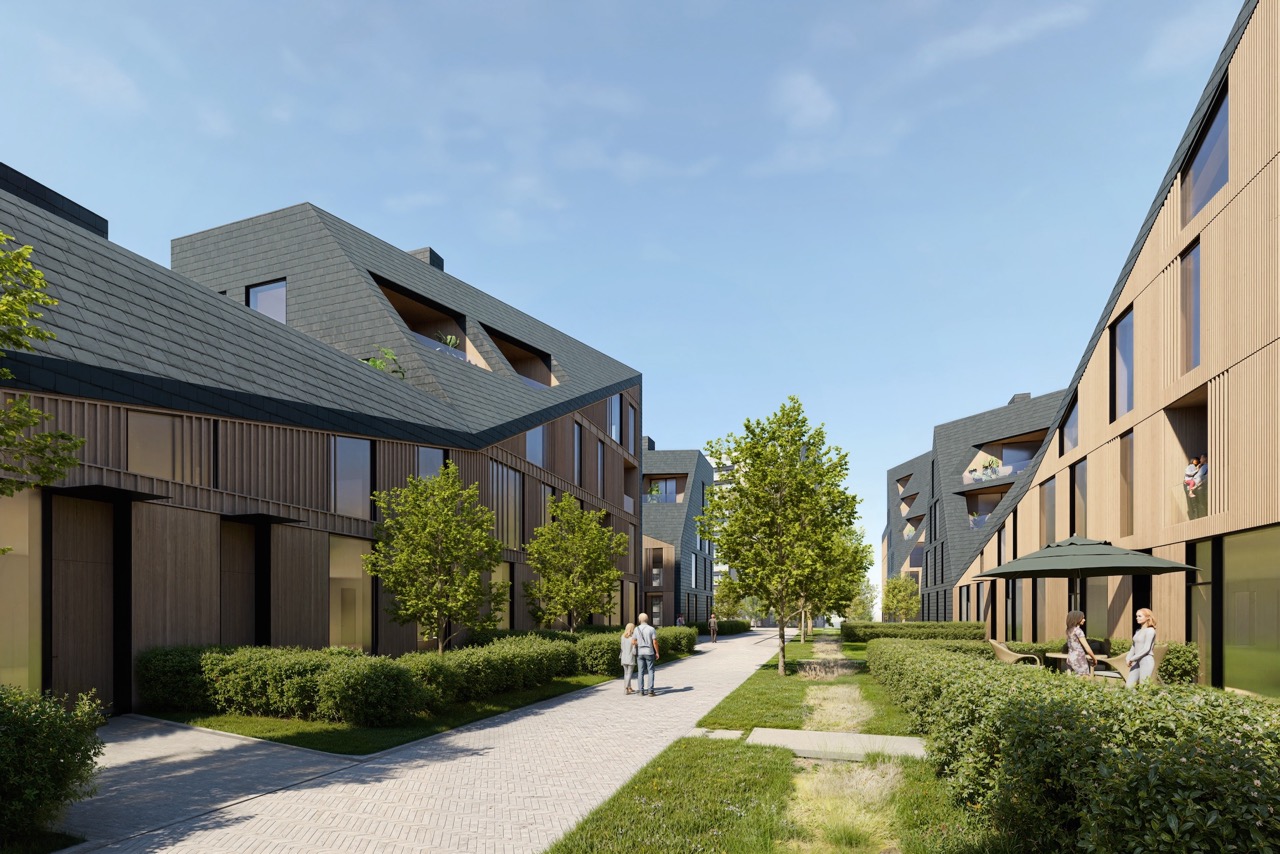
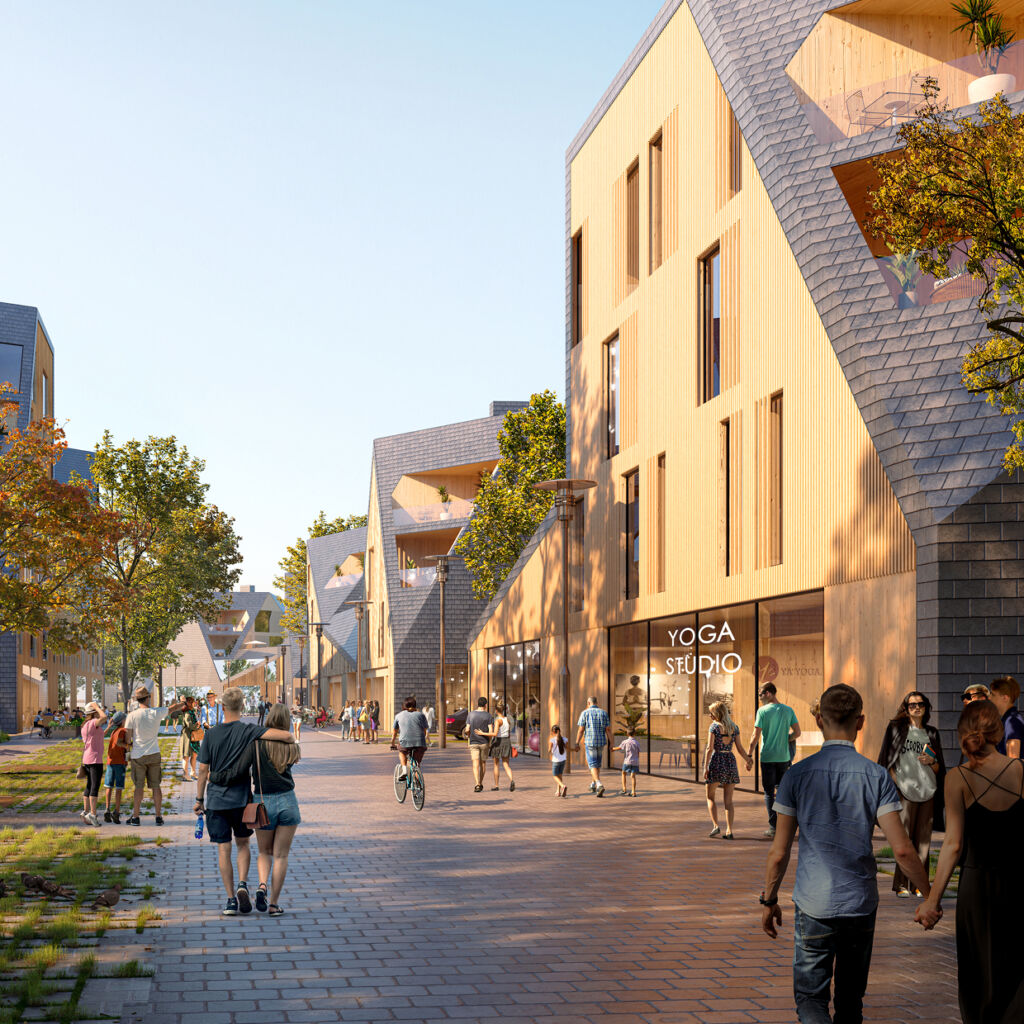
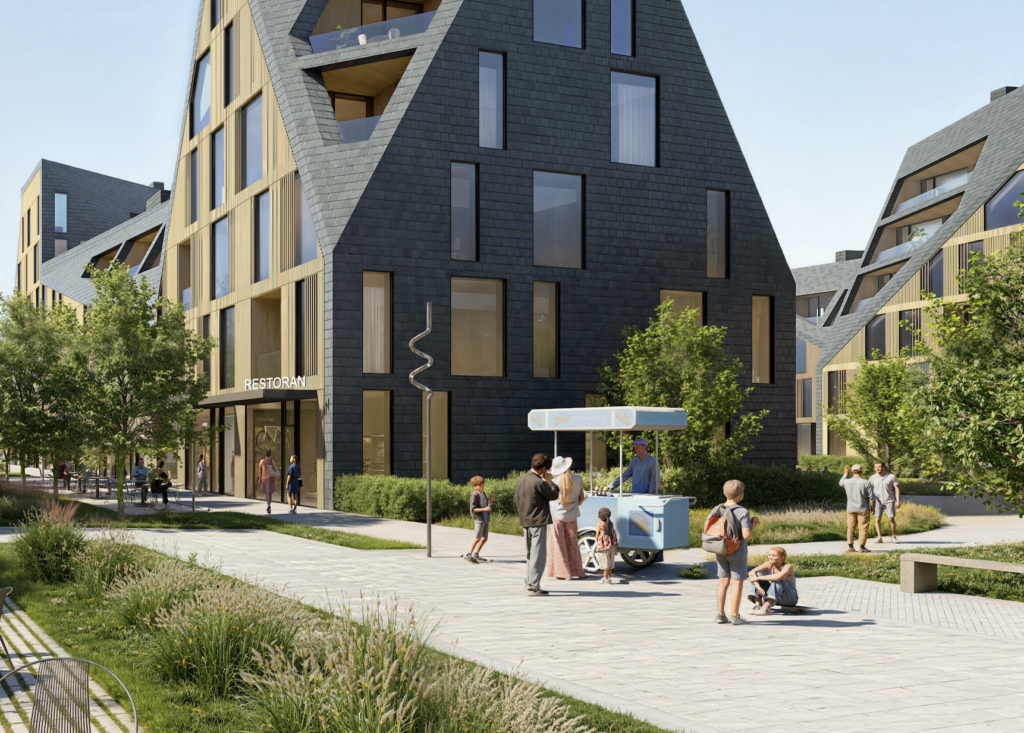
Valdavalt 2-4 korruselised majad sulanduvad looduslikku keskkonda ja pakuvad tasakaalu Lauluväljaku-äärsetele kuni 16-korruselistele kõrghoonetele.
Südamega kogukond
Ala keskmeks on turuplats ja pargialad, mis toovad inimesed kokku.
Location
Marienberg is located along Pirita Road in the Kadriorg neighbourhood. This is one of the most unique spots in Tallinn, where the city, the sea and nature come together. The Pirita Promenade runs along the base of the limestone cliff, offering residents kilometres of natural seaside paths for walking and cycling. For the first time, the promenade will be directly accessible through the quarter. Thanks to its unique location, Marienberg offers a rare combination of the privacy of a detached home and the convenience of city living. Transport connections are excellent: bus routes run directly to the city centre, Nõmme, Pirita and Mustamäe. The reconstruction of Pirita Road and a new intersection with traffic lights will further improve traffic flow. By car, the city centre is 10 minutes and the airport 15 minutes away.
Distance from Existing Buildings and the Song Festival Grounds
Move the diagram below to the left and right to view the planned Marienberg buildings, the existing high-rise buildings and distances to the Song Festival Grounds. Marienberg is on the left, the Song Festival Grounds on the right. Distances are measured from the Song Festival Grounds promenade area.
An Area With a Fascinating History
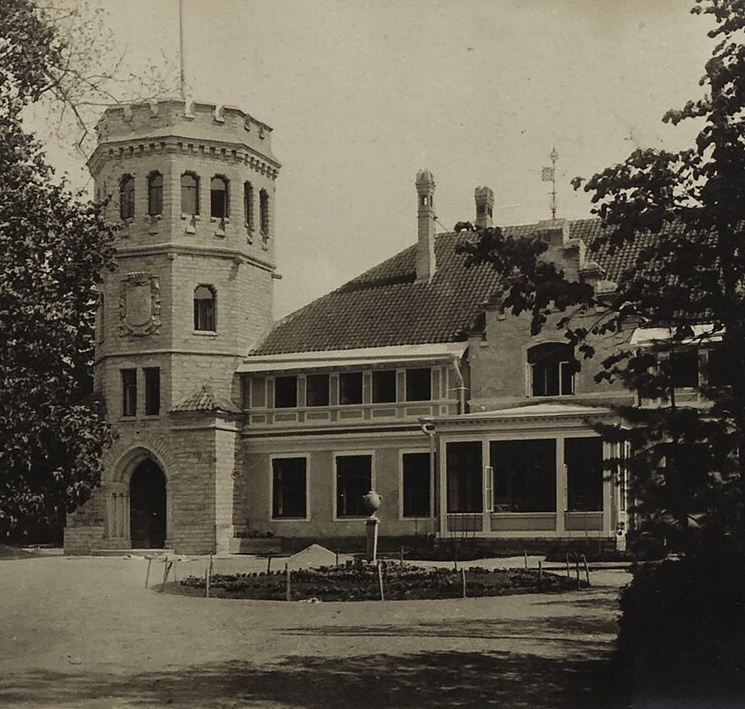
In the late 19th century, the area next to Marienberg – Maarjamäe – was one of the most sought-after summer resorts in Tallinn. Drawn by its proximity to the sea, views from the limestone cliff and the wooded landscape, wealthy city dwellers built urban villas and summer estates here. In 1874, the summer manor of Anatoly Orlov-Davydov was completed (photo: Tallinn City Archives, CC BY-SA 4.0), known today as Maarjamäe Palace. The area was lively and popular until the changes brought by the 20th century. During the Soviet era, attempts were made to develop Sõpruse Park and public recreational areas here. In the 1960s and 1970s, exhibition halls and a fair centre were built. The idea was good, but it no longer meets today’s needs – the halls stand empty and the site lacks a clear purpose. Marienberg restores the original essence of the area: a high-quality living environment by the sea where history and modern life meet.