Golden August at Marienberg – Harvest, Beauty and Urban Gardening Tips
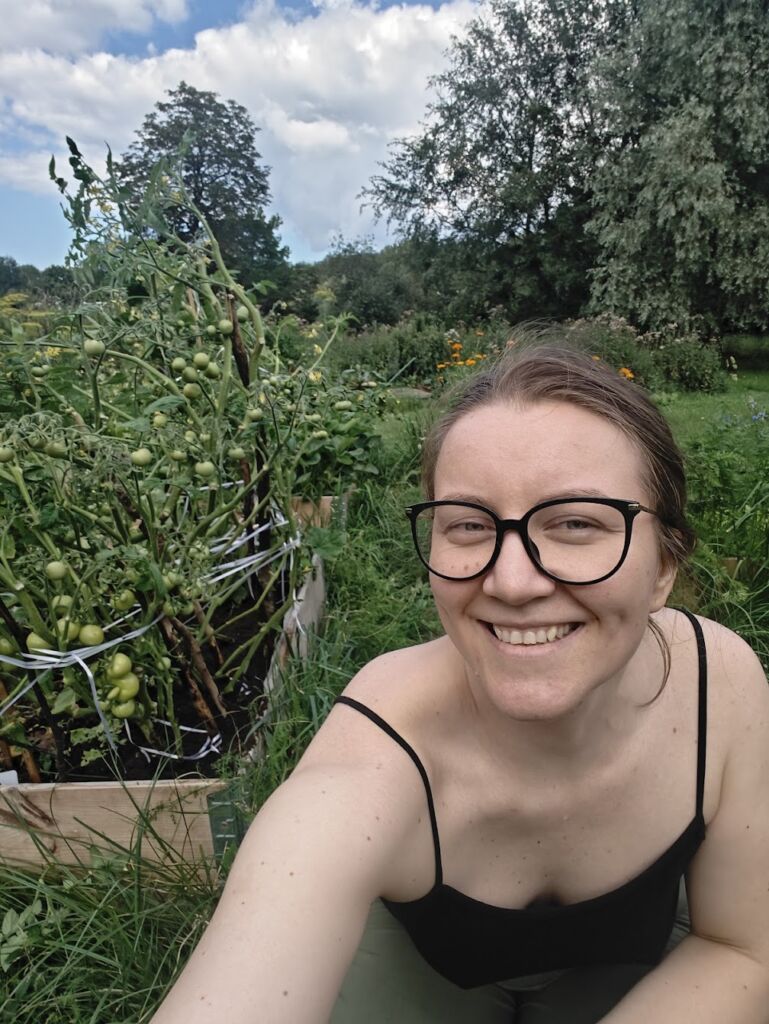
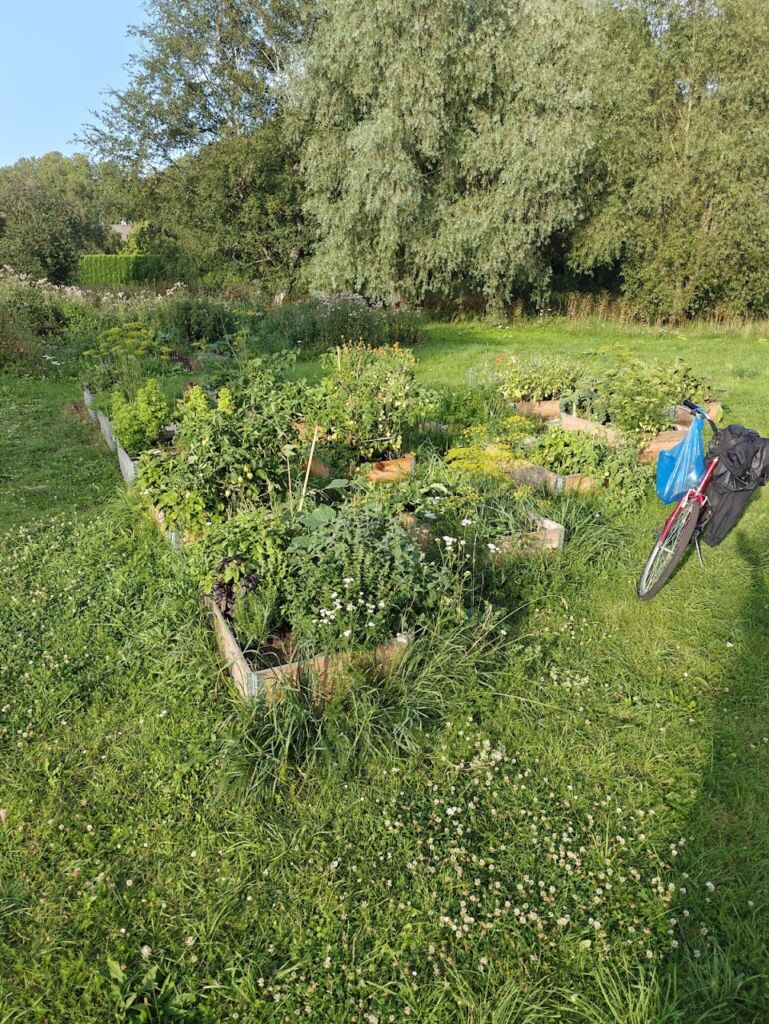
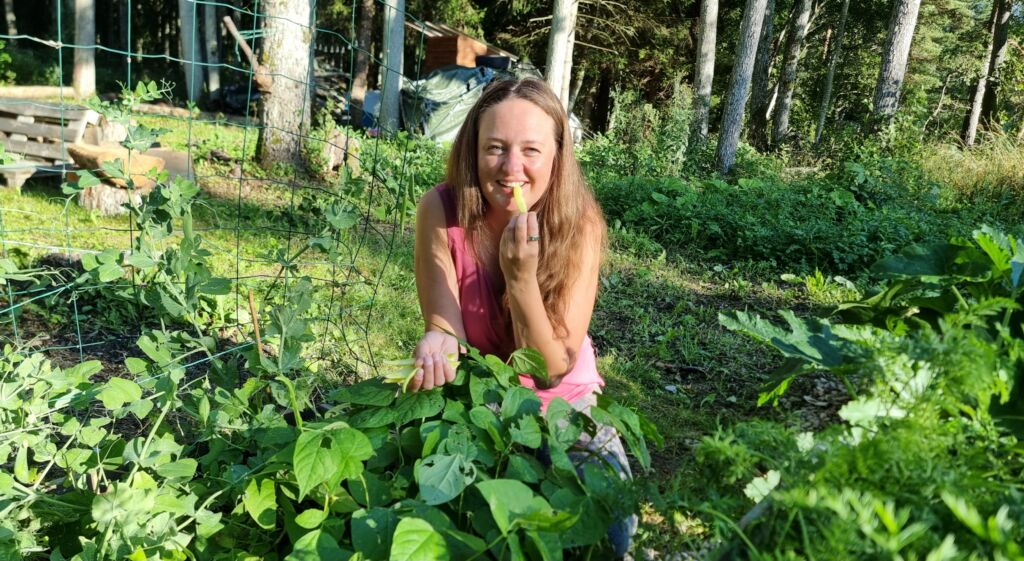
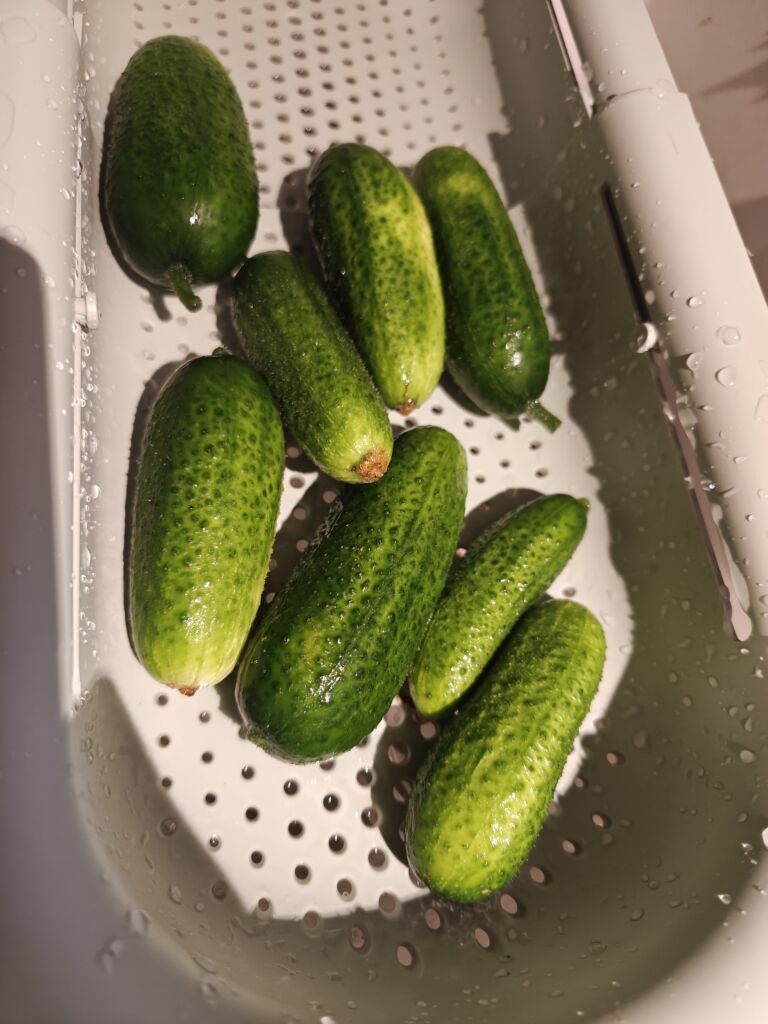
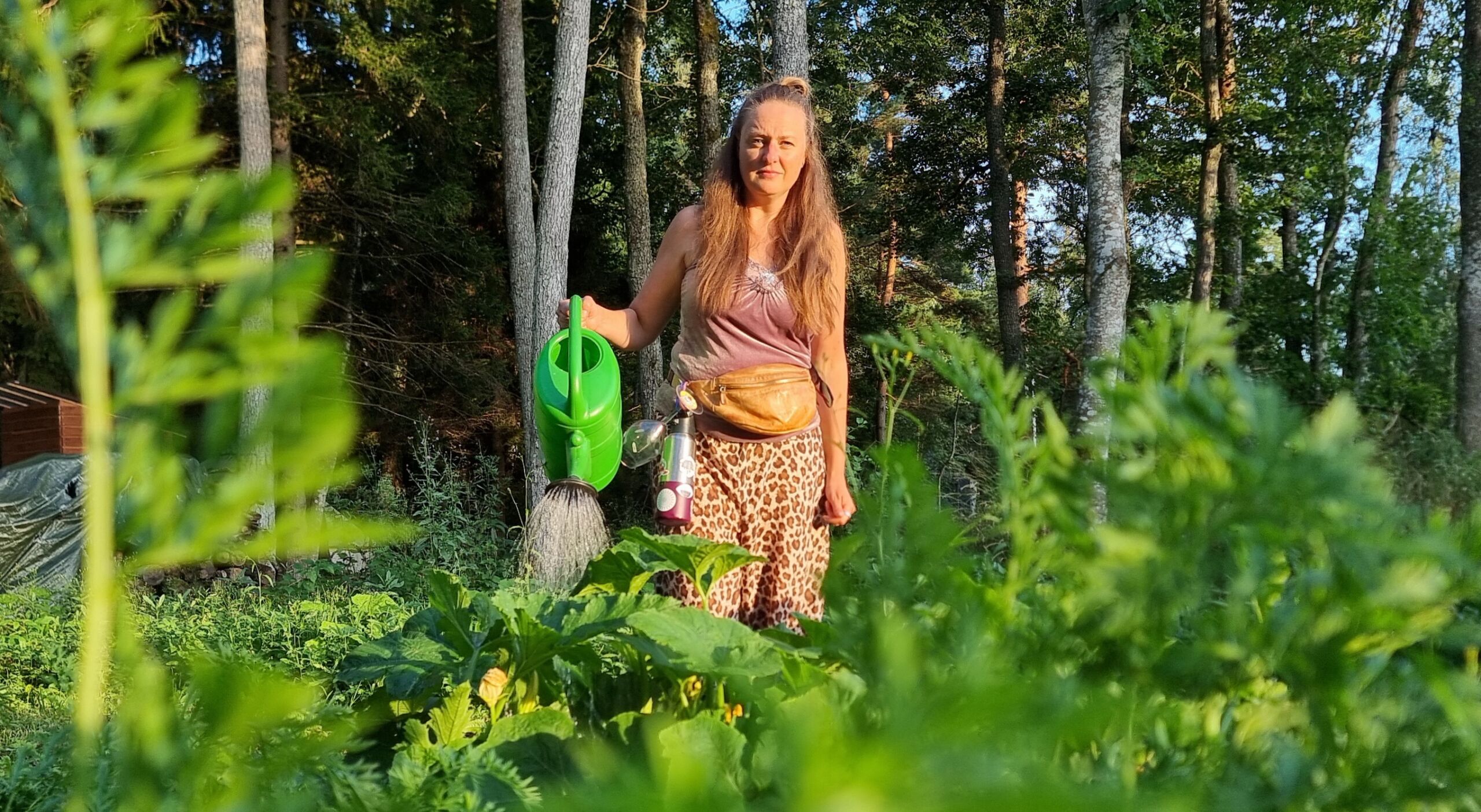
August showcases the Marienberg community garden at its most abundant. Cucumbers and tomatoes ripen side by side, late-summer flowers bloom and the fresh greenery draws gardeners back week after week. ‘Gardening has so many positive effects on people: being outdoors in the sun provides the necessary amount of vitamin D, relieves stress and offers a sense of satisfaction and self-realisation. Even though I always have to get there by bike or car, gardening has definitely helped reduce my anxiety and improved my mood,’ said Mari Sarapuu, an active gardener at the Marienberg community garden and author of the Tervisemari Instagram account. She spent much of her childhood in the countryside, growing up gardening alongside her grandmother, tending to beds of onions, garlic, herbs, pumpkins and cucumbers. In August, she is now waiting for her green ‘tomato forest’ to turn red, as the four planted tomato plants are expected to yield a generous harvest, having thrived in the raised beds. The community garden created by Metro is located in the heart of the future Marienberg City Park and marks the first step in strengthening biodiversity and a sense of community in the area. Here, people from different backgrounds come together to share experiences, learn and simply enjoy being together. Leader of the Marienberg community garden Herdis Pärn and experienced urban gardener Mari Sarapuu share tips on what to do in August and what can still be planted. With autumn on the horizon, much will depend on the weather, but experimentation is still encouraged.
Works to do in the urban garden in August:
- Harvest regularly – cucumbers, courgettes, tomatoes and beans ripen in waves.
- Picking fruit encourages further production. Prune the tops of indeterminate tomatoes and remove leaves around the clusters so that sunlight can reach the fruit and the plant can direct its energy into ripening.
- Limit the number of fruits on pumpkins: 3–4 per plant will result in better quality.
- Apply autumn fertiliser from early August to help prepare plants for winter.
- Weed the beds and control slugs – in an urban garden, every bit of growing space is valuable.
- Turn the compost and add compost accelerators to help autumn leaves and plant material decompose more quickly.
- If plants have grown very large, add extra support (for example, bamboo stakes, available at home improvement stores) and make sure all plants receive enough light.
What else can be planted in August?
August is not only a harvest month – there is always room in the urban garden for new plants to be planted.
- Beds that become free after harvesting garlic or early potatoes are ideal for fast-growing late-season crops: radish (including daikon and Korean radish); lettuce and rocket; lamb’s lettuce – for autumn harvest and overwintering;
- pak choi – fast-growing and tolerant of cooler temperatures;
- spinach – provides several harvests before the frost; peas – choose an early variety for shoots or an early harvest;
- dill – sow every couple of weeks.
Urban Garden as a Meeting Place
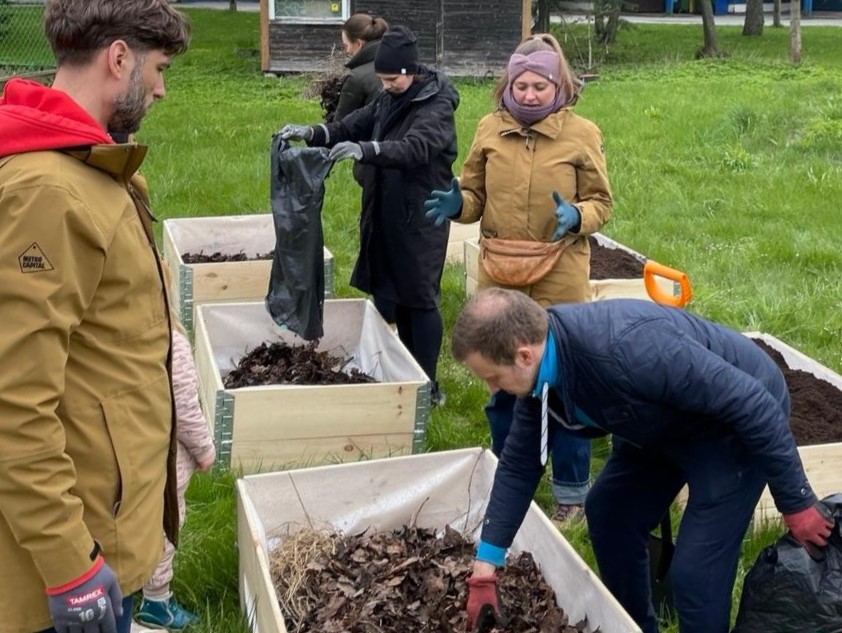
The Marienberg community garden has become a place where people come not only to work, but also simply to drop by and have a chat. Some check on their raised beds, others pick herbs for dinner, while others bring their children to show them what a strawberry tastes like straight from the plant.
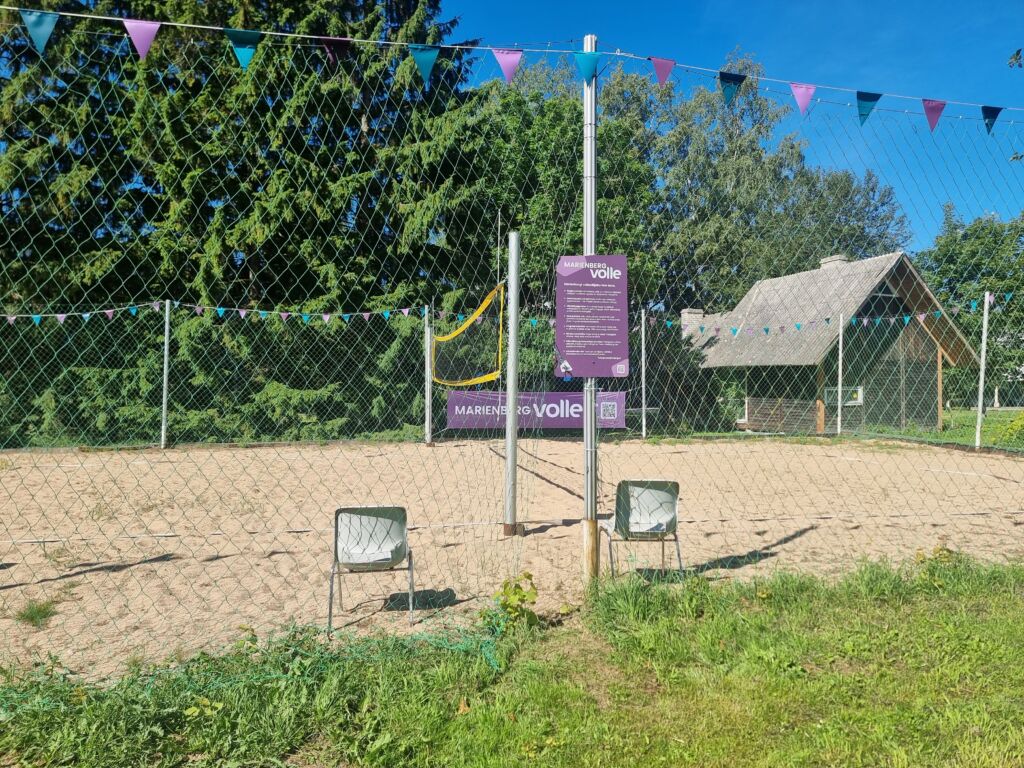
‘The Marienberg community garden is still small, as this is our first year of operation, but it already gives an indication of what the future Marienberg City Park could be like – green, diverse and people-centred,’ said Community Manager Herdis Pärn.
The establishment of the Marienberg urban garden is supported by the Tallinn Urban Environment and Public Works Department.

oplus_3145761 oplus_3145762 oplus_3145760