Architecture
Architectural Excellence Shaped by the Environment
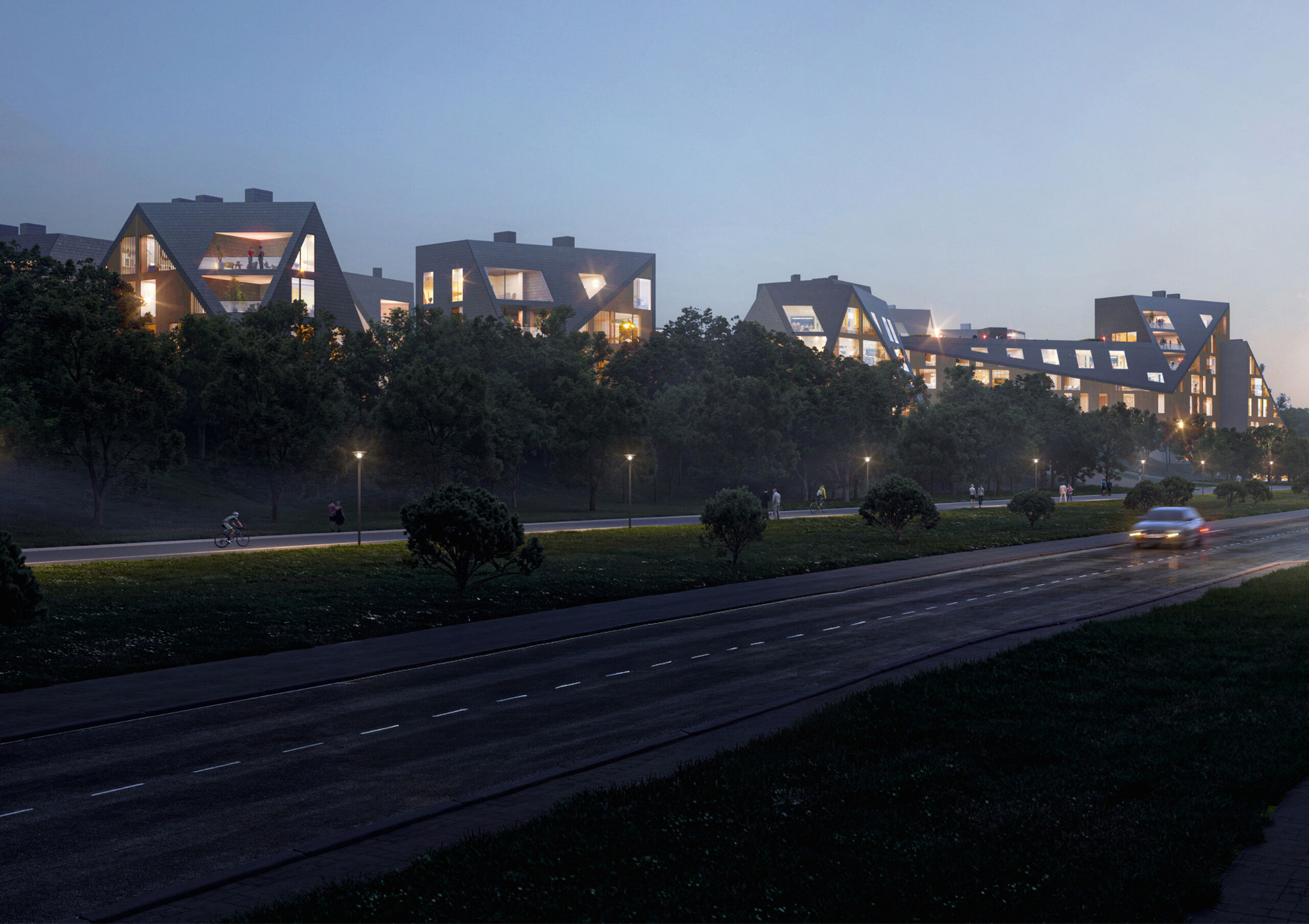
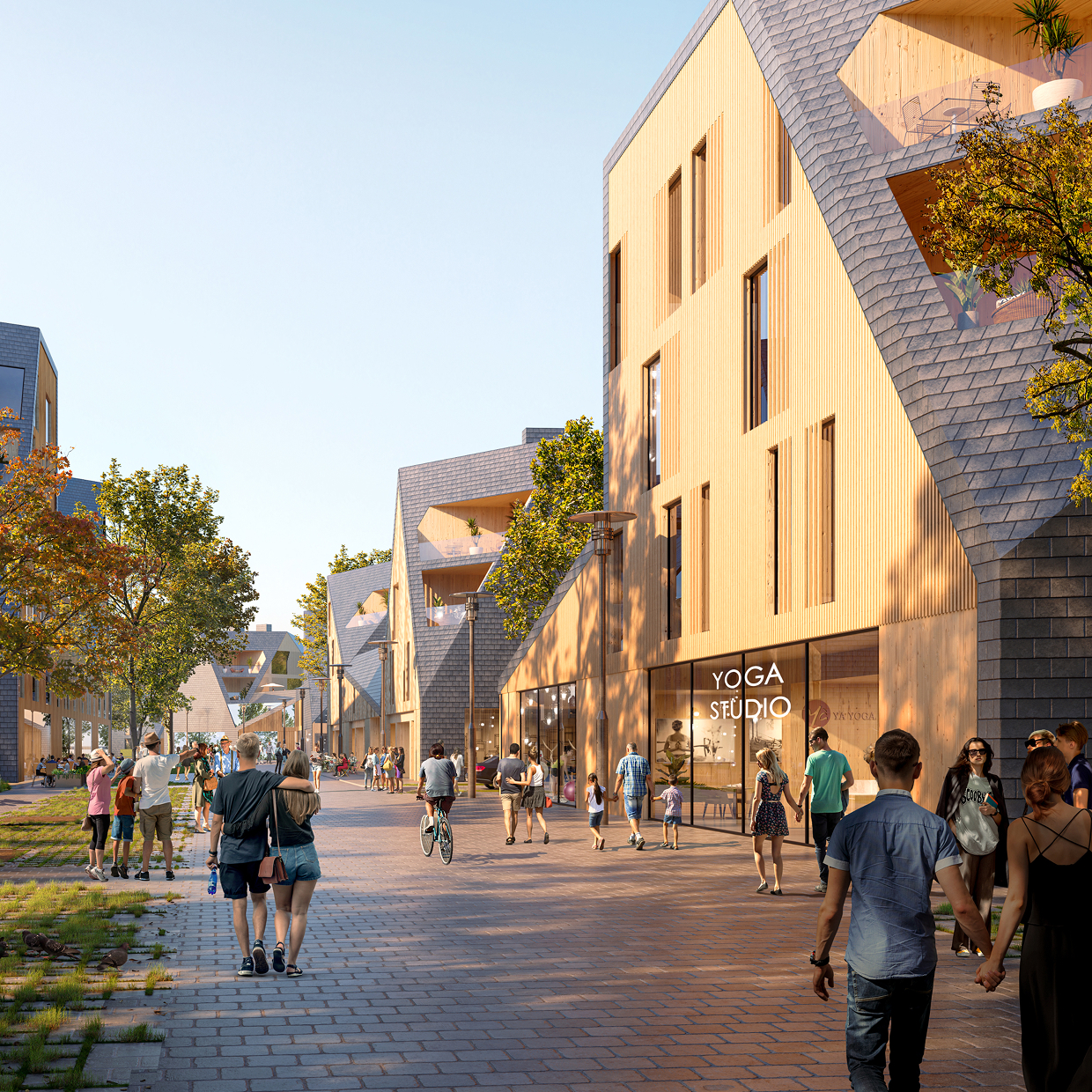
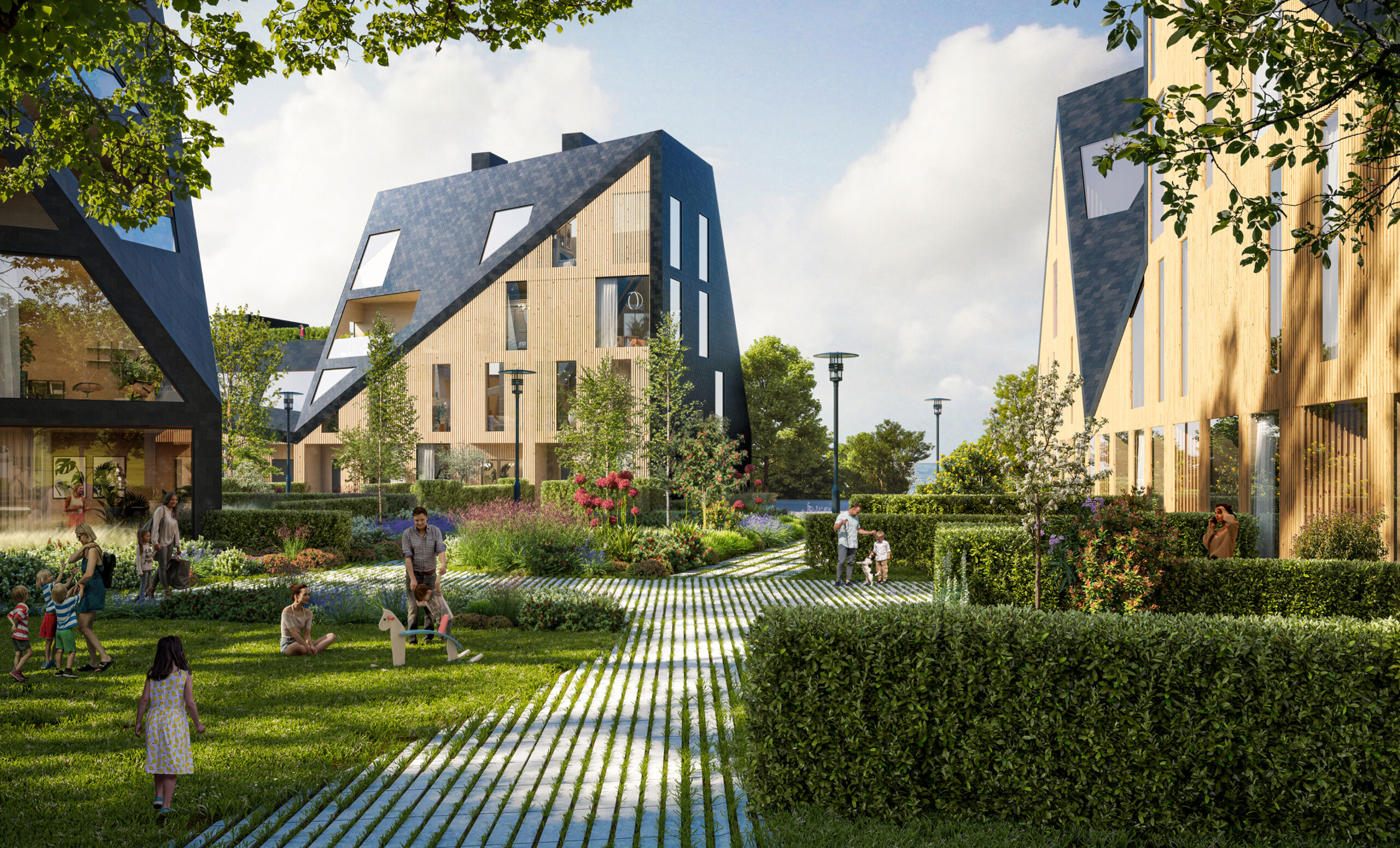
The architectural concept for Marienberg was developed by ALA Architects from Helsinki, winners of the public design competition. Their previous work includes the highly acclaimed Helsinki Central Library Oodi as well as the new terminal at Helsinki Airport. The new and distinctive buildings of Marienberg combine the privacy of a detached house with the convenience of apartment living, and smart urban planning with nature.
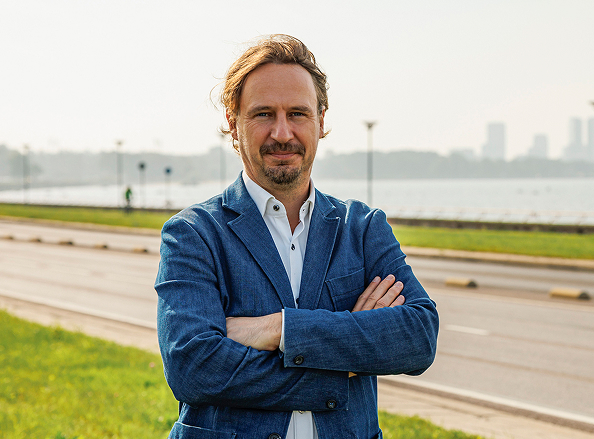
Antti Nousjoki, Lead Architect of Marienberg
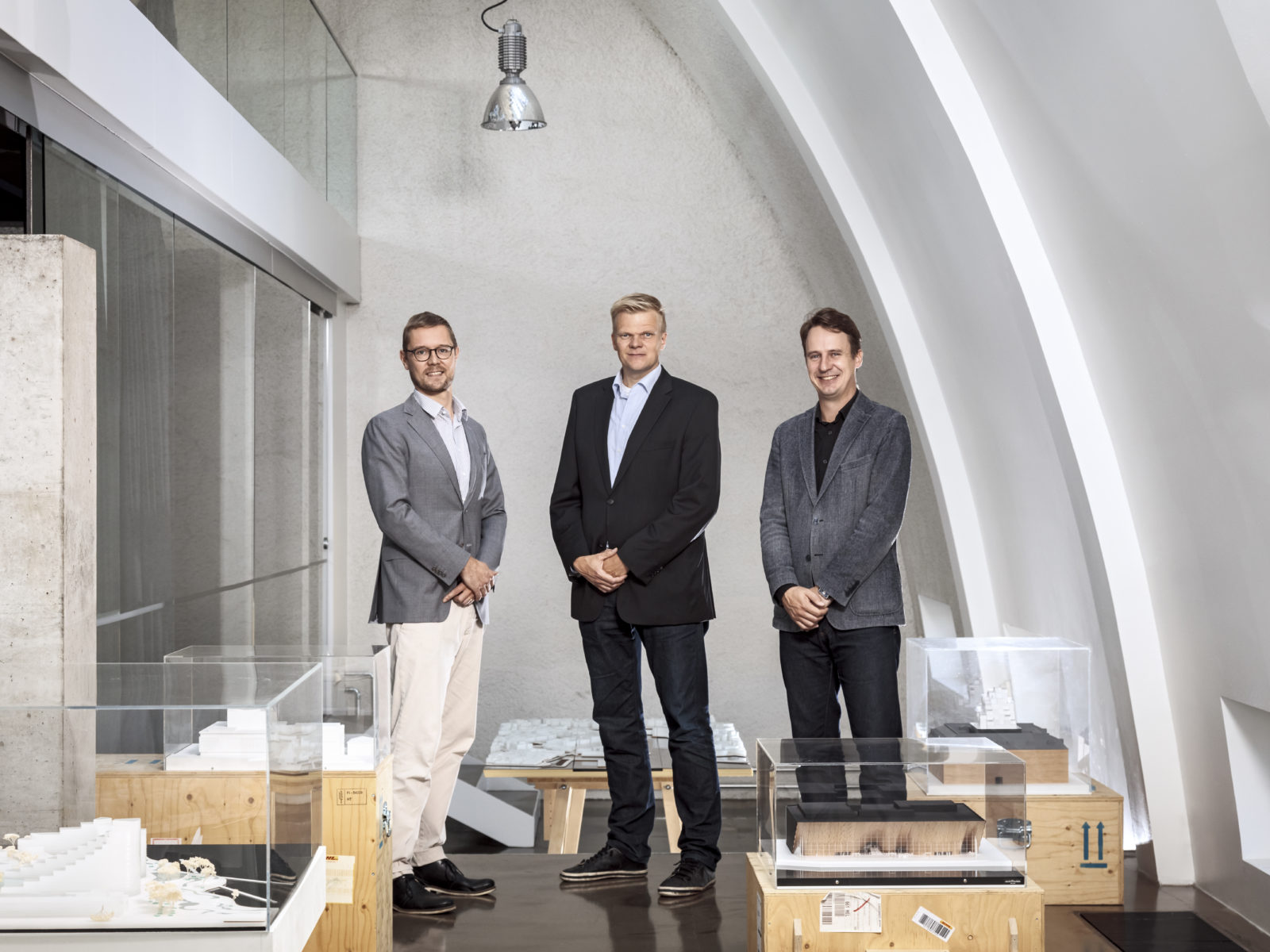
ALA Architects
ALA Architects have, among other projects, designed the Helsinki Central Library Oodi, the new terminal at Helsinki Airport and a performing arts centre in Norway. In Estonia, they are behind the EBS building extension (EEDU), currently under construction. Their portfolio also includes a number of theatre buildings, metro stations and complex terminals.
Human-Scale Architecture
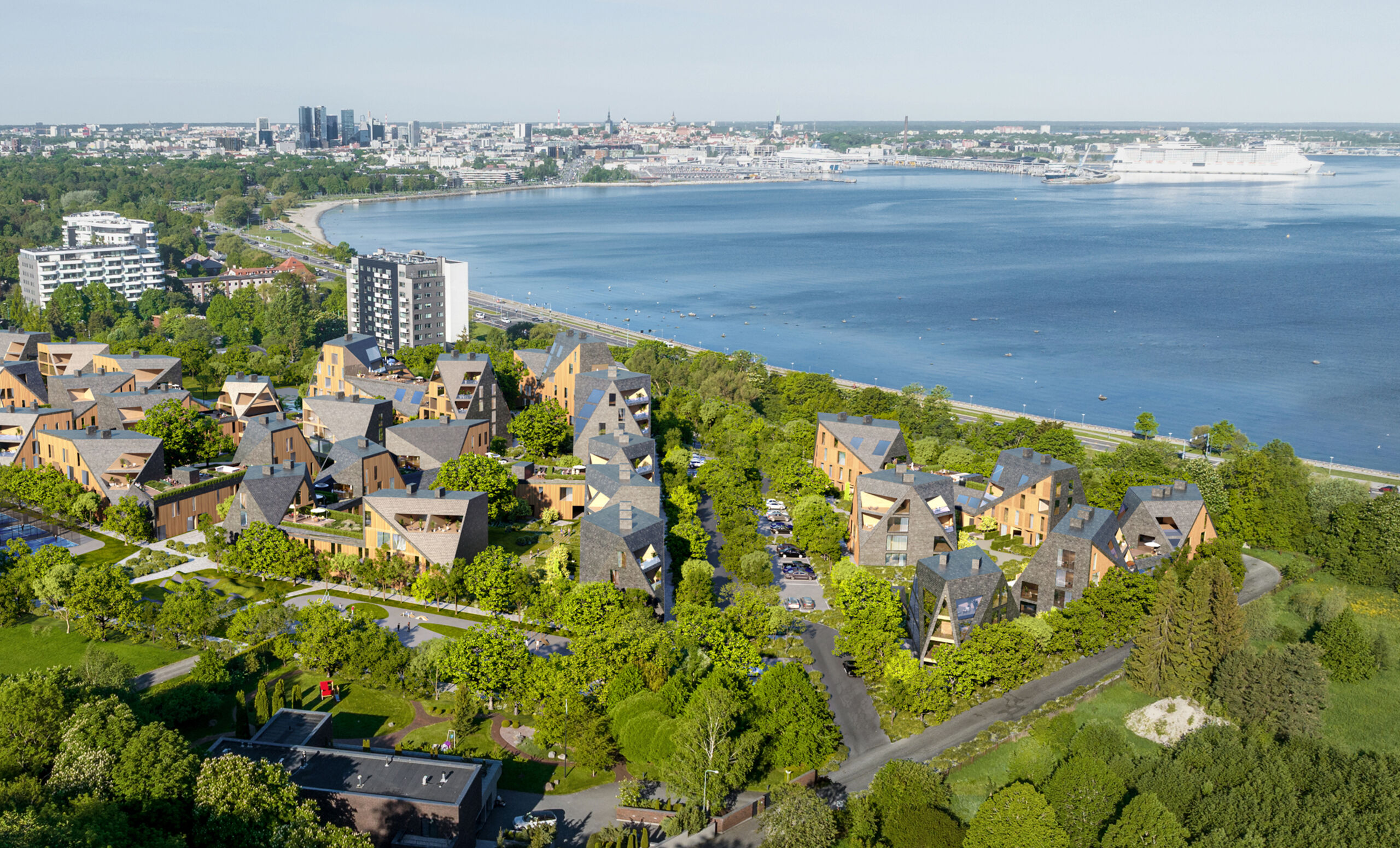
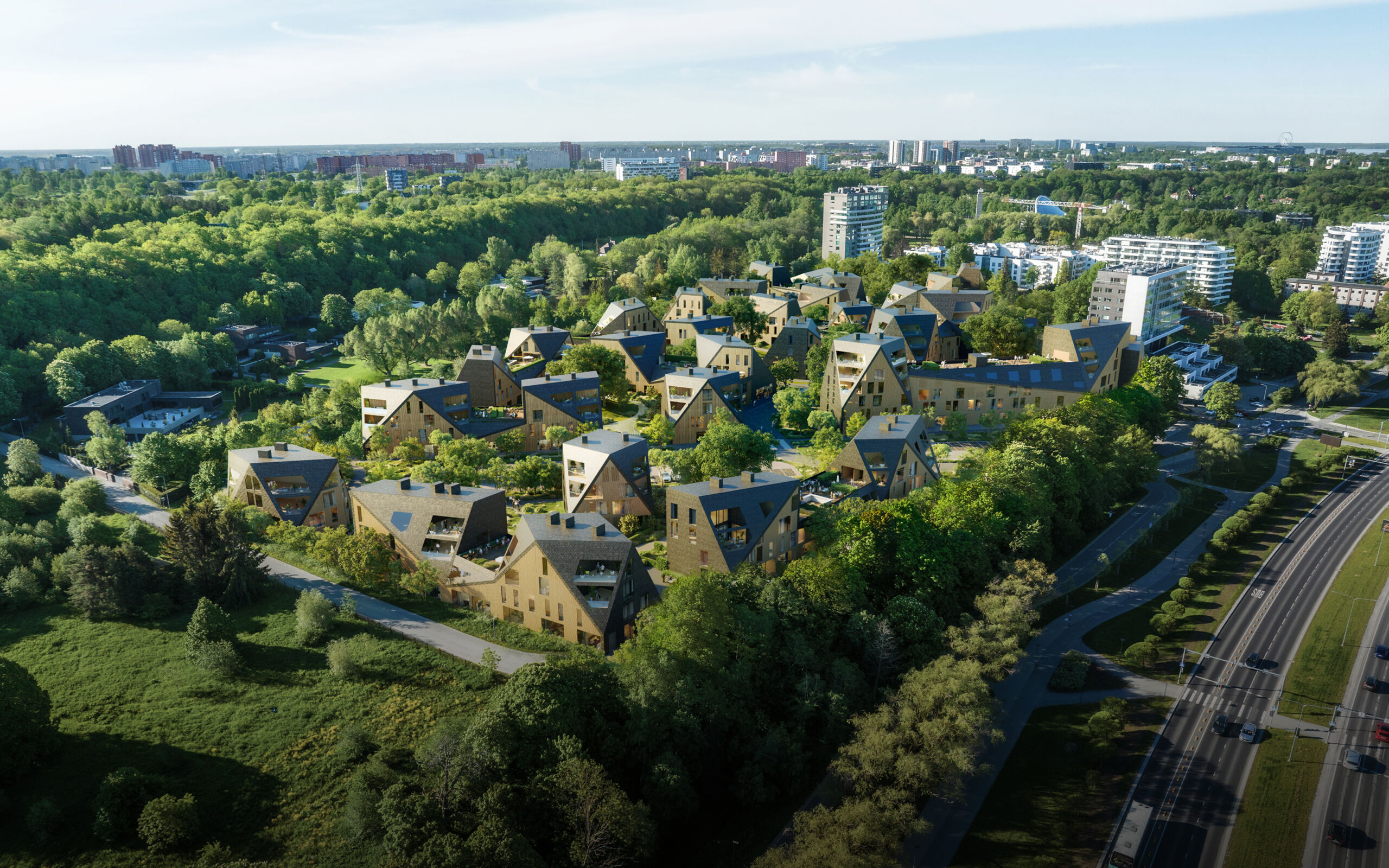
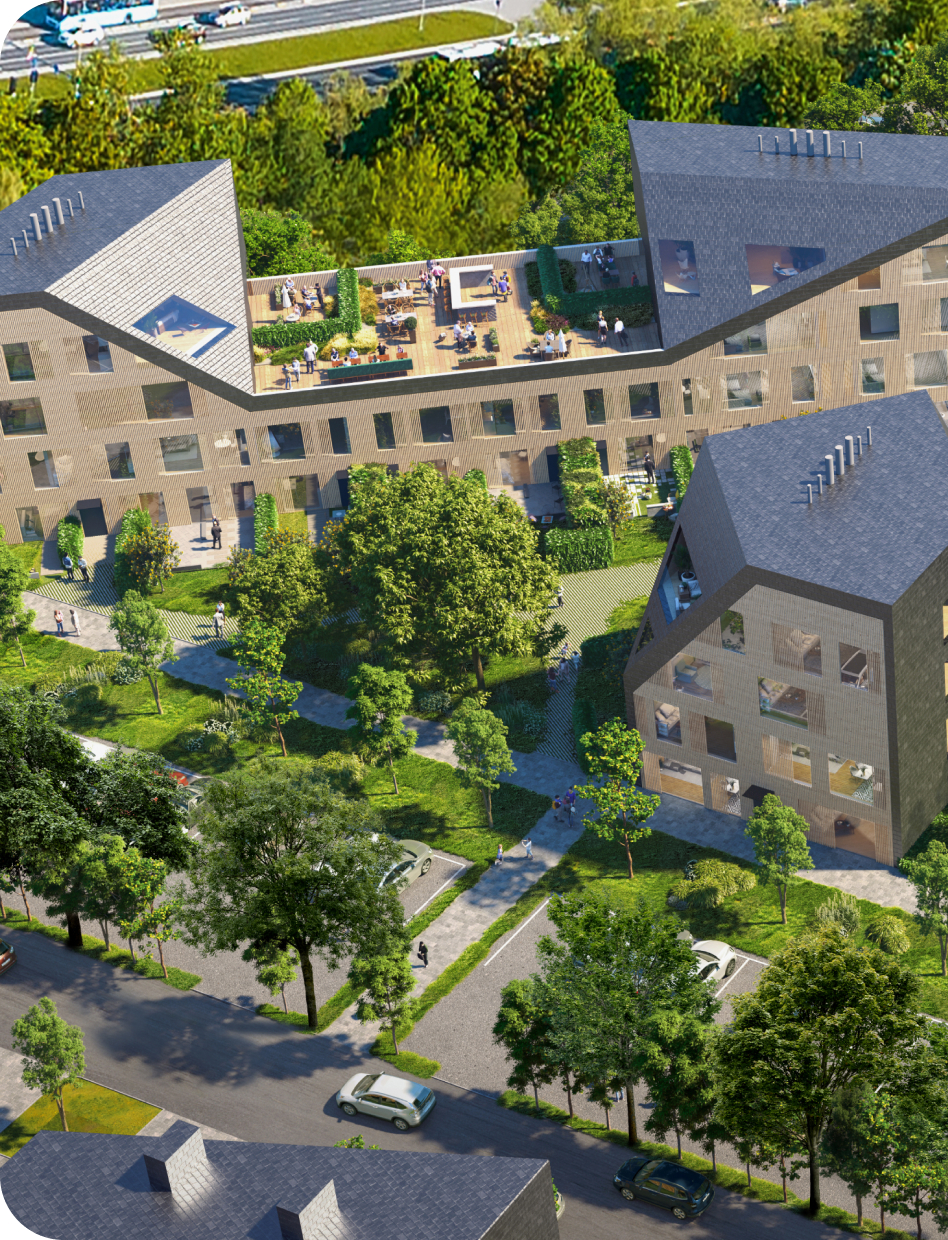
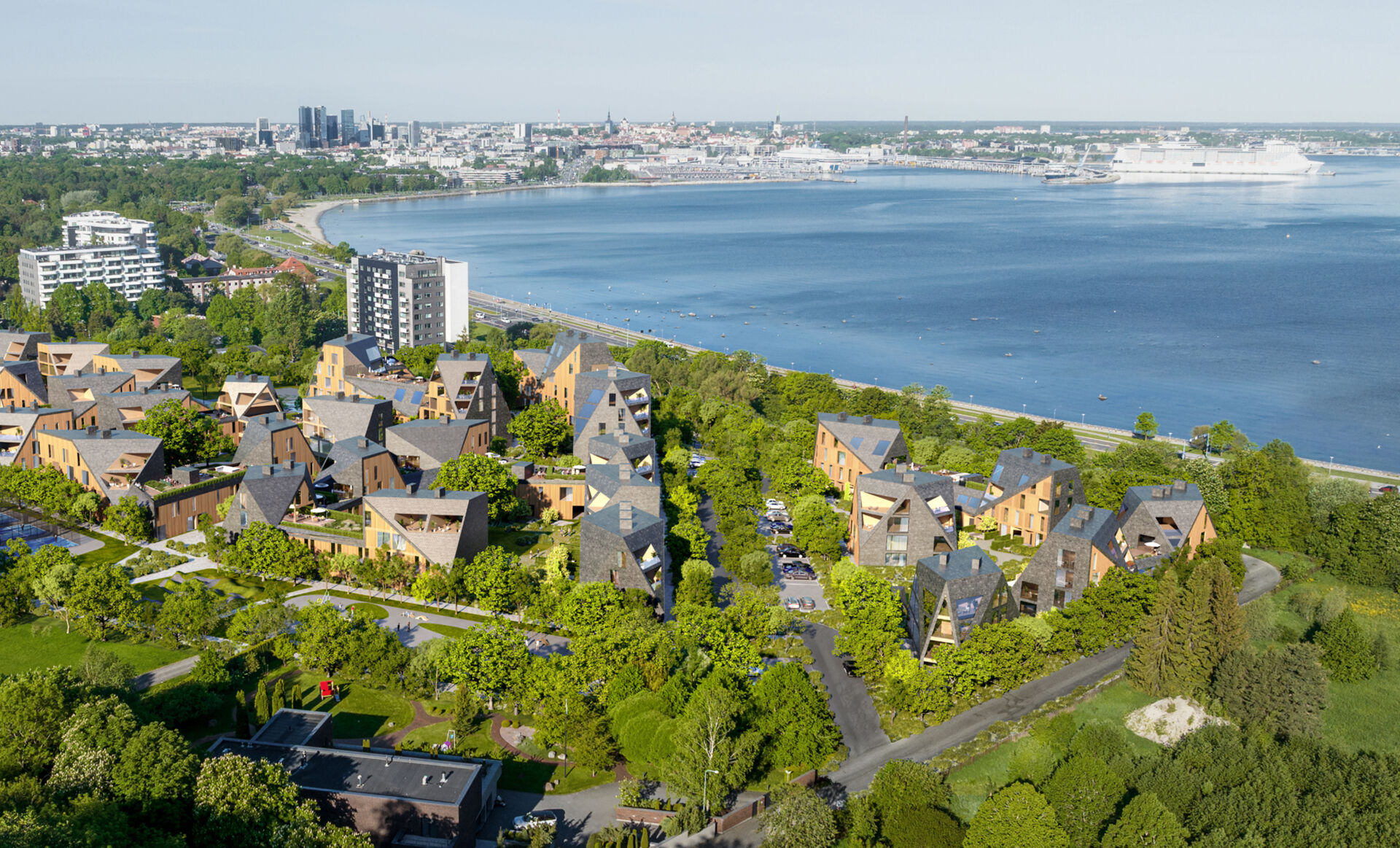
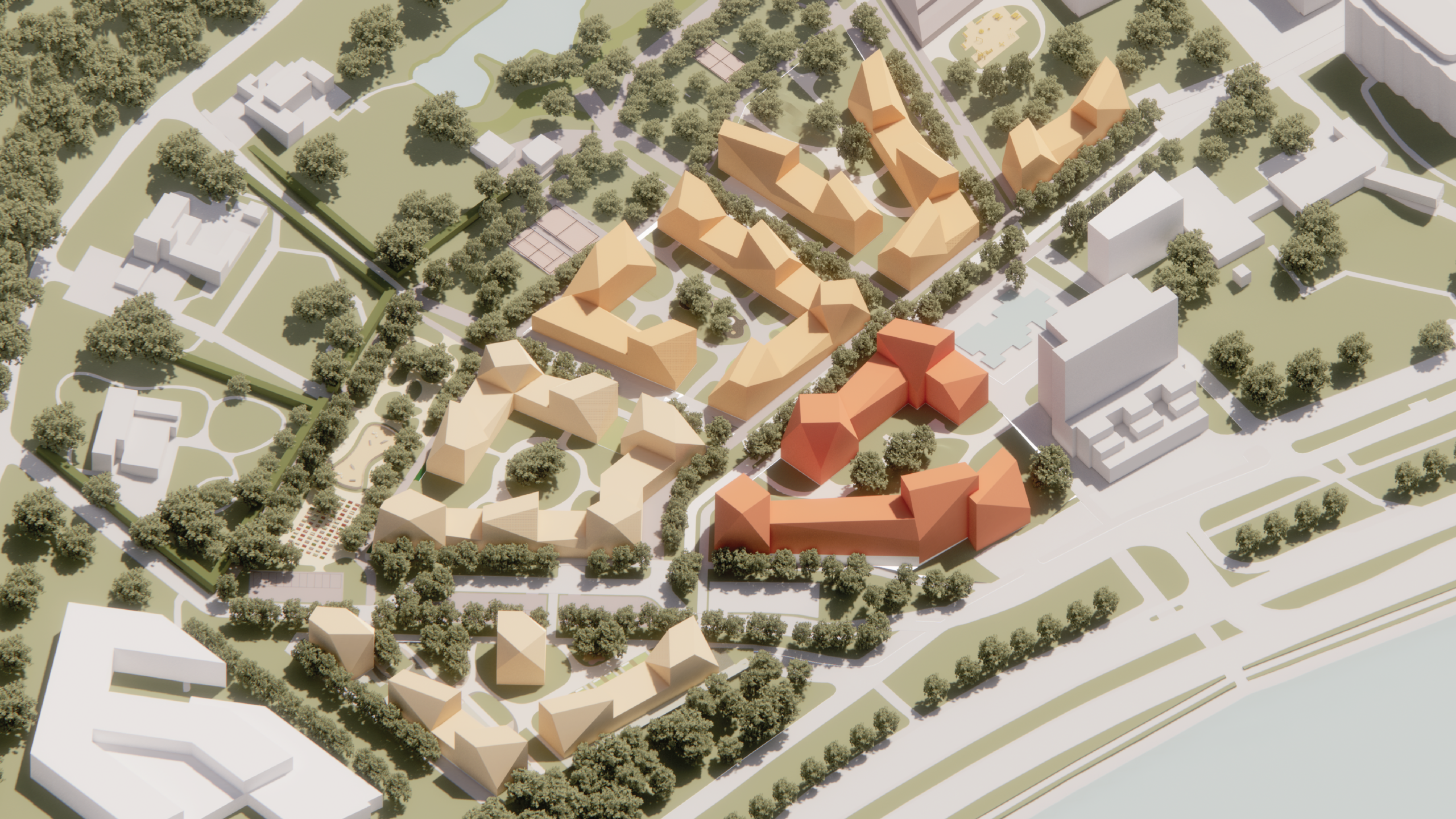
The architecture of the Marienberg quarter pays homage to the site and its history. All buildings are designed to remain lower than the Maarjamäe limestone cliff, thereby preserving the natural silhouette of the shoreline as seen from the sea. Modern three- to six-storey apartment buildings create a clear block structure, centred around a public promenade and park. Nearly a quarter of the area will be transformed into publicly accessible urban space – a rare share in the development of privately owned land. Priority is given to non-motorised traffic, with car parking located underground. The area will include ample bicycle parking and safe, convenient paths for both scooters and bicycles. Open green spaces, a main street with services, an urban garden, a wide range of sports facilities, playgrounds and quiet residential streets create an environment focused on quality of life.
Buildings in Harmony With the Natural Environment
The planned buildings in Marienberg are primarily two- to four-storey residential buildings with commercial space. Of the X planned buildings, Y will be two- to four-storey buildings, and Z will be a six-storey building. The human-scale architectural approach creates a counterbalance to the nearby high-rise buildings of up to 11 storeys between Marienberg and the Song Festival Grounds. The promenade creates an important new link in the green network of Tallinn. For the first time, it will connect the cycle and pedestrian tracks of the Song Festival Grounds with the path at the base of the limestone cliff by the sea. The commercial spaces along the main street – cafés, services and offices – bring life to the streets of the neighbourhood. The result is an urban environment that feels open and alive, encouraging people to move around and spend time there.
Naturaalsed materjalid
Peamiste materjalidena on kasutusel puit ning klintkivi.
Ajaloost võrsunud
Uued eluhooned on loodud kajastama kunagiste linnavillade väärikust.
Ideaalne peredele
kuid sobilik kõigile, kes otsivad kvaliteetset elukeskkonda.
Townhouse-tüüpi majad
Inspireeritud ajaloolistest linnavilladest ja uhketest rehikatustest


Avarad korterid
Korterite keskmine suurus üle 100 ruutmeetri
Äärelinna privaatsus, kesklinna mugavus
Unikaalne kombinatsioon, mida mujalt on raske leida
Balancing the High-Rises near the Song Festival Grounds
Marienberg asub paeklindiplatool, mis tõuseb 43 meetrit üle merepinna. See tähendab, et Marienbergi madalad hooned saavad suurepärase vaate. Pole vaja ehitada 20 korrust, et näha merd. Loodavad, valdavalt 4-korruselised, majad ei varja kellegi vaadet, sulanduvad loomulikena keskkonda ega muuda Tallinna siluetti. Nii tasakaalustavad uued majad Lauluväljaku ja Marienbergi vahelisele alale jäävaid kuni 11-korruselisi kõrghooneid.