Anthropological Mapping: Community Hopes and Fears in the Making of Marienberg
A grocery shop, cafés and more opportunities for recreation – these were the main wishes that emerged from an anthropological study commissioned by Metro among residents of the Pirita tee 28 area.
Anthropologists Mapped Community Views
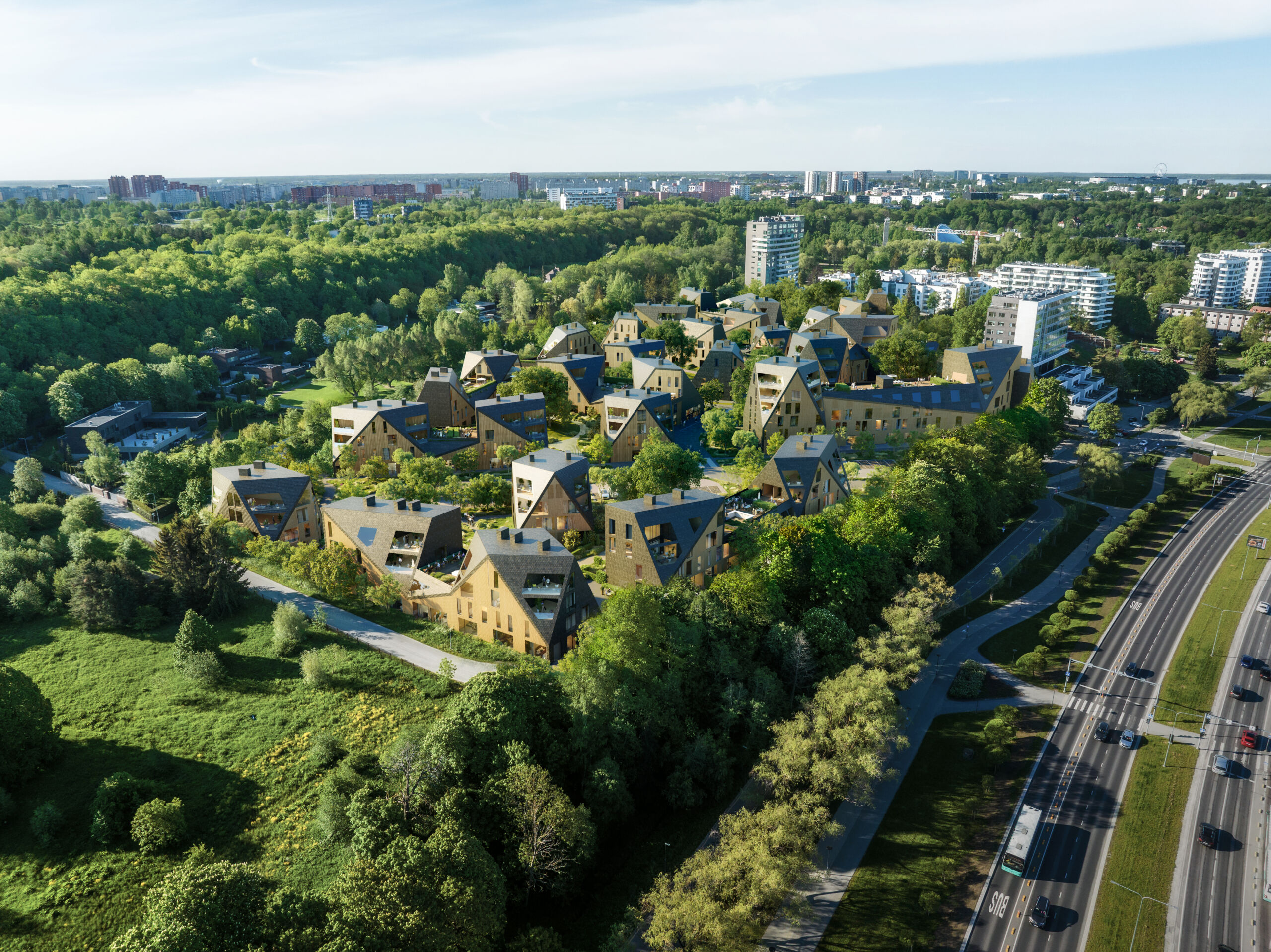
Metro is developing a new community hub Marienberg on the site of the current Estonian Fair Centre, which will transform the area into a modern urban space featuring cosy cafés, a grocery shop, beauty services and opportunities for recreation. To better understand local expectations and concerns, Metro partnered with the Centre of Anthropology, which, as an independent body, helped map the attitudes of residents in the surrounding area. The anthropologists conducted three observational sessions in the neighbourhood and held conversations with local residents. Participants were recruited using the snowball method, which helped reach people living specifically near the Estonian Fair Centre. In total, four interviews were conducted with seven persons, including both supporters and sceptics of the development. Given that this was an initial exploratory mapping using qualitative research methods, the final sample was entirely sufficient to allow an experienced anthropologist to identify patterns in the thick data.
Mapping Confirmed Insights and Inspires Further Action
‘We received confirmation of many of our ideas, but also gained some fresh ones,’ said Herdis Pärn, Marketing Manager at Metro. ‘For example, we had already sensed that the area lacked a proper grocery shop and recreation venues. The mapping confirmed this.’ The study has not remained on paper, but has already inspired concrete action. ‘As we noticed that people spend a lot of their free time in the area – walking and spending time with children – we came up with the idea of restoring the old volleyball court to a playable condition,’ explained Pärn. ‘In addition, we have launched an innovative walking tour introducing the Marienberg vision, and there are plans for several more exciting initiatives in the future.’
Two Different Visions of the Future
The mapping revealed that, while there is a shared expectation that the current Fair Centre site will be transformed, the visions of the future differ. Some local residents would like to see a bustling urban environment with services and a community hub. At present, the area is described as a bedroom community lacking everyday services needed for daily life. Others would prefer an open outdoor space for spending time and express concerns about traffic load and the logistics of the Song Festival events.
Unexpected Findings
The mapping also revealed some surprising insights:
- Residents of the area find it difficult to define their exact location – whether they are part of the Kadriorg or Maarjamäe neighbourhoods or perhaps the Pirita district. The area is actively used during leisure time.
- People feel a lack of access to everyday services and recreational opportunities.
- The community has been involved from the very beginning.
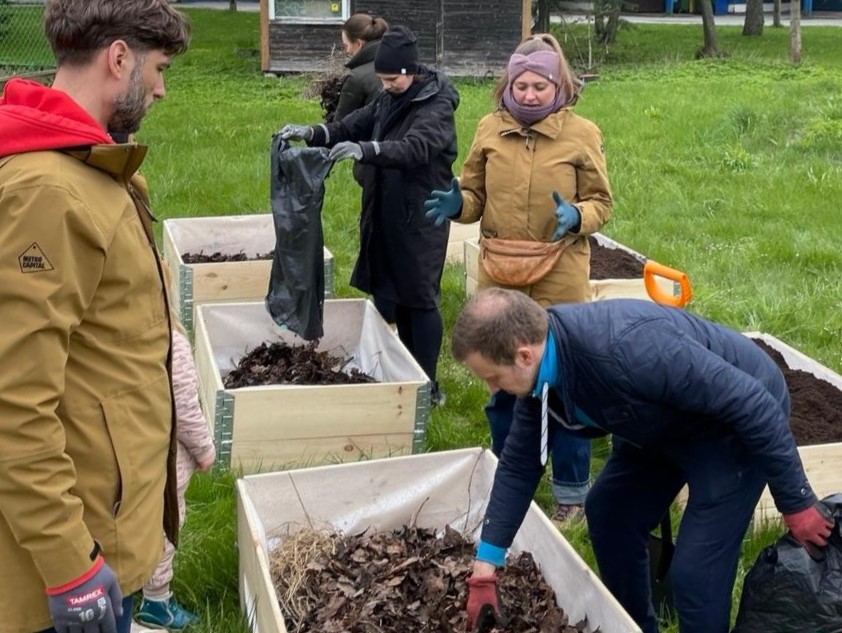
From the very beginning of the project, Metro has made it a priority to involve the local community in discussions about the future of the area. For example, local residents were invited to vote on the name of the new neighbourhood, resulting in the selection of Marienberg. The name Marienberg has strong historical roots, originally referring to the Maarjamäe Palace completed in 1874. The name ‘Maarjamägi’ came into use in the late 1930s as a translation of Marienberg. ‘We want to create an environment that takes all parties into account,’ affirmed Pärn. ‘Marienberg is not just a new residential development, but an opportunity to create something more – something that respects both history and the future.’
Your ideas are welcome!
A great way to discover the Marienberg vision is through our innovative walking route, which showcases the future plans for the area. We invite you to explore the trail and share your thoughts or ideas! Feel free to contact us at sales@metro.ee!